

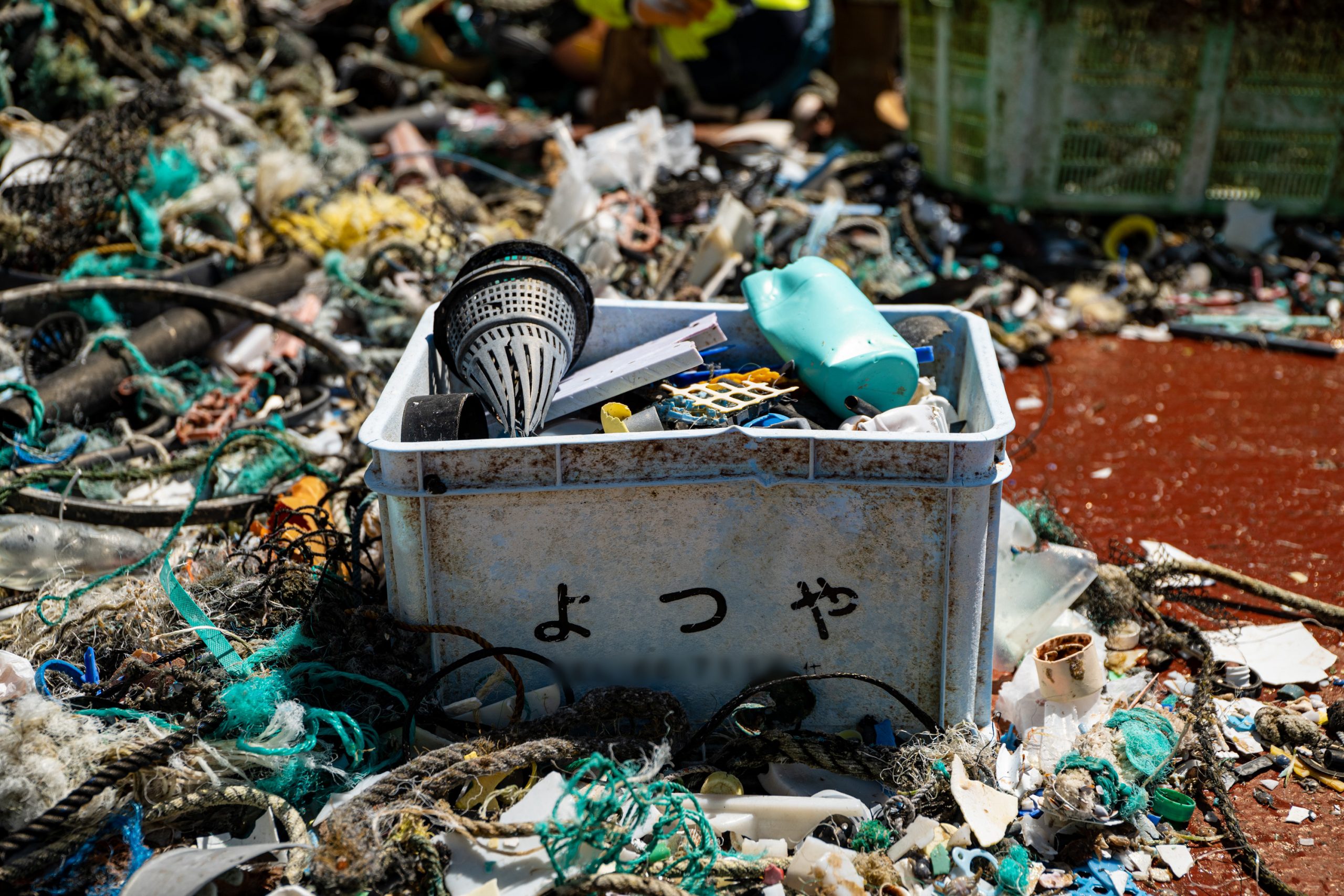
Old link, but I hadn’t realized the caveat until today. Basically, most of the waste that’s accumulated in the GPGP is from industrial scale fishing (US, China, etc). I’ve long known that it isn’t a big island (you can’t even photograph it; it’s just slightly murky water for miles and miles), but for some reason I thought this implied that most oceanic waste is fishing related. That’s not right, see the wikipedia page.
Glad you finally learned what’s been suppressed all these years. Switching to paper straws was never the answer, only a distraction to keep the focus away from who really pollutes our waters. Same goes for any kind of pollutant. Ain’t nothing we can do on a personal level to make a real difference. Change has to happen at the industrial level.
Stop eating fish and continue sharing information is a good start while you push for industrial change.
I stopped eating fish years ago because of that and still support their message. Companies like Coca-Cola love personal responsibility and little ocean cleaning projects because they give people the illusion that the industry doesn‘t have to change. Change is only possible with policies that directly target their profits, though. That also goes for fishing and for that you would have to violently sink shadow fishing fleets probably. Which is especially tragic since many of them are manned by slaves but what else can you do?
My fish consumption has dropped dramatically since learning of this info (can’t cut it out entirely…be we try) and I do indeed spread the info as naturally as I can. So, agreed! It is indeed a great start.
Yeah, it’s not straws. Never was.
Stop buying fish.
I have not been able to afford fish for ages. I am doing my part!
Also Seaspiracy (2021) is worth a watch for anyone interested. It’s a documentary that talks about some of these topics.
one of the most basic aspects of the dystopia for me is having to be careful about eathing to much of some fish due to mercury poisoning. Fish. People talk about grains and farming as the driver of civilization but to me its fish.
Go vegan.
That’s definitely the best thing to do for the oceans, the climate, and the future of all life on earth


