
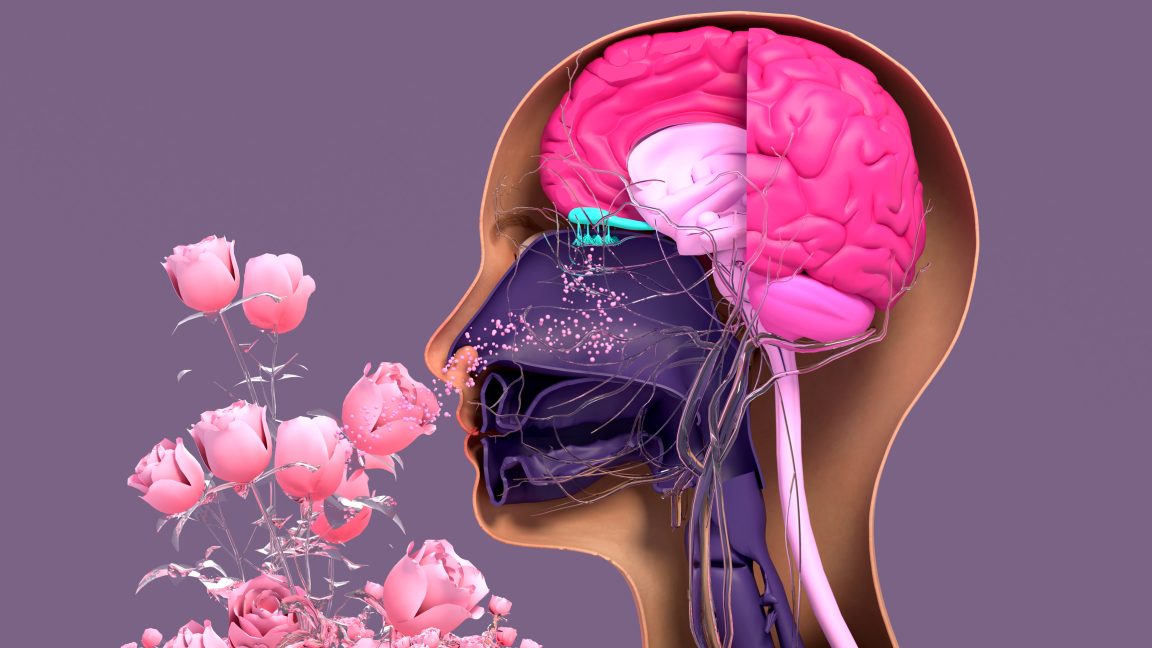
It‘s a shame because this is a really good article but the „olfactory training“ is a bit too credulously covered.
In the sense that it‘s quite scientifically controversial and most researchers think it isn‘t measuring a real increase in physiological smelling capacity, just that people who are trained to smell end up better at recognising smells for the test at the end. Not that the smell testing „healed“ their reduced sense of smell.
Hmm interesting it reminds me of how older musicians are better at “hearing” than other older people and some younger people but it isn’t because their ears haven’t degraded in capability (especially of course in the high frequency ranges) it is that their brain became better at perceiving and quickly categorizing auditory sensory input from a degraded sensor (consistently degraded sensor which is the key). In otherwords the software keeps getting better even though the hardware is slowly degrading…
Thank you for pointing that out!
edit another way to think of this that is interesting is that we are talking about the skill of reading fiction and imagining it, it has nothing to do with how sharp your eyes are or how good your ears are at discerning a narrator’s voice, though it requires some baseline of fidelity it is about the content of the signal not necessarily just the raw experience of it.
Yeah exactly I think that‘s a plausible explanation for the RCT results. In any case it‘ll be interesting to see how that kind of research evolves.
