NOIRLab Logo
  • Site language iconen | es
  • Contact
  • Newsletter
  • About
    • Careers
    • Contacts & Travel
      • Travel to NOIRLab HQ
      • Travel to AURA Recinto
      • Travel to Hilo Base Facility
      • Travel to KPNO
      • Travel to Maunakea
      • Travel to Cerro Pachón
      • Travel to Cerro Tololo
    • Visits
      • Public Visits
        • Kitt Peak National Observatory
        • Gemini North telescope
        • Gemini Hilo Base Facility, Hawai‘i
        • NOIRLab Headquarters, Tucson, Arizona
        • Cerro Tololo telescopes, Chile
        • AURA Recinto, La Serena, Chile
        • Kamaʻāina Observatory Experience
        • Gemini South and Rubin on Cerro Pachón, Chile
      • Media Visits
    • Governance
    • Leadership
    • NOIRLab Scientific Staff
    • NOIRLab Timeline
    • About AURA
    • History of NOAO
    • Logo
    • Acronyms
    • Staff Prizes
    • Light Pollution & Satellite Constellations
      • Satellite Constellations
      • Programs
      • IAU Center
      • Important Reports
    • Broader & Social Impacts
      • NOIRLab and Arizona
      • NOIRLab and Hawai‘i
      • NOIRLab and Chile
    • Library Services
    • Discoveries
    • FAQs
  • Programs
    • Cerro Tololo
      • NSF Víctor M. Blanco 4-meter Telescope
        • Dark Energy Camera (DECam)
        • COSMOS
        • NEWFIRM
      • SOAR Telescope
        • Goodman
        • STELES
      • SARA Cerro Tololo Telescope
      • Curtis Schmidt Telescope
      • Andes Lidar Observatory
      • NSF CTIO GONG
      • KMTNet 1.6-meter Telescope
      • Wisconsin H-Alpha Mapper
      • Evryscope-South Telescope
      • T80-South Telescope
      • SMARTS Telescopes
        • SMARTS–GSU 1.5-meter Telescope
        • Planetary Defense 1.3-meter Telescope
        • Planetary Defense 1.0-meter Telescope
        • SMARTS–GSU 0.9-meter Telescope
      • PROMPT
        • PROMPT-1 Telescope
        • PROMPT-2 Telescope
        • PROMPT-3 Telescope
        • PROMPT-5 Telescope
        • PROMPT-6 Telescope
        • PROMPT-7 Telescope
      • Las Cumbres Observatory
        • Las Cumbres Observatory 1-meter Telescope (#4)
        • Las Cumbres Observatory 1-meter Telescope (#5)
        • Las Cumbres Observatory 1-meter Telescope (#9)
        • Las Cumbres Observatory 0.4-meter Telescope (#9)
        • Las Cumbres Observatory 0.4-meter Telescope (#12)
      • MEarth-South Observatory
        • MEarth-South Observatory 0.4-meter Telescope (#1)
        • MEarth-South Observatory 0.4-meter Telescope (#2)
        • MEarth-South Observatory 0.4-meter Telescope (#3)
        • MEarth-South Observatory 0.4-meter Telescope (#4)
        • MEarth-South Observatory 0.4-meter Telescope (#5)
        • MEarth-South Observatory 0.4-meter Telescope (#6)
        • MEarth-South Observatory 0.4-meter Telescope (#7)
        • MEarth-South Observatory 0.4-meter Telescope (#8)
      • Thai Southern Hemisphere Telescope
      • US Naval Observatory Deep South Telescope
      • DIMM2 Seeing Monitor
      • DIMM1 Seeing Monitor
      • SSI Airglow
      • RASICAM
      • ASAS-SN 2
      • ASAS-SN 5
      • CAMS Chile
      • MicroObservatory Donald
      • aTmCam
      • UBC Southern Observatory
    • Community Science & Data Center
    • International Gemini Observatory
      • Gemini North
        • ‘Alopeke
        • NIRI
        • MAROON-X
        • GMOS-N
        • GNIRS
        • ALTAIR
        • IGRINS-2
      • Gemini South
        • GHOST
        • GeMS
        • Zorro
        • GMOS-S
        • FLAMINGOS-2
        • GSAOI
      • DIMM3 Seeing Monitor
    • Kitt Peak National Observatory
      • NSF Nicholas U. Mayall 4-meter Telescope
      • WIYN 3.5-meter Telescope
        • NESSI
        • ODI
        • WHIRC
        • NEID
      • The Hiltner 2.4-meter Telescope
      • UA Bok 2.3-meter Telescope
      • KPNO 2.1-meter Telescope
      • WIYN 0.9-meter Telescope
      • McGraw-Hill 1.3-meter Telescope
      • UA SuperLotis Telescope
      • SARA Kitt Peak Telescope
      • Burrell Schmidt Telescope
      • Robotically Controlled Telescope
      • UA ARO 12-meter Telescope
      • Very Long Baseline Array Dish
      • NSF McMath-Pierce Solar Telescope
      • UA 0.9-meter Spacewatch Telescope
      • UA 1.8-meter Spacewatch Telescope
      • 0.9-meter Coudé Feed Telescope
      • KPNO DIMM
      • NEID Solar Telescope
      • Visitor Center 0.6-meter Shreve Telescope
      • Solar and Observing Remote Imaging Observatory
      • Visitor Center Levine 0.4-meter Telescope
      • Visitor Center Roll Off Roof Observatory
    • Vera C. Rubin Observatory
      • Simonyi Survey Telescope
      • Rubin Auxiliary Telescope (AuxTel)
      • Rubin Seeing Monitor
    • Telescopes
  • Projects
    • US ELT Program
    • DESI
    • GEMMA
    • DES
    • AEON
    • ANTARES
    • Astro Data Archive
    • Astro Data Lab
  • Images
    • View All
    • Advanced Image Search
    • Categories
      • 360 Panoramas
      • Arizona
      • Buildings
      • Cerro Tololo
      • Chile
      • Community Science & Data Center
      • Cosmology
      • Exoplanets
      • Fulldome
      • Galaxies
      • Galaxy Clusters
      • Gemini Observatory
      • Hawai‘i
      • Illustrations
      • Kitt Peak National Observatory
      • Nebulae
      • NSF Infrastructures
      • People and Events
      • Quasars and Black Holes
      • Solar System
      • Star Clusters
      • Stars
      • US-ELTP
      • Vera C. Rubin Observatory
    • Images of the Week
      • 2026
      • 2025
      • 2024
      • 2023
      • 2022
      • 2021
      • 2020
      • 2019
    • Top 100 Images
    • Image Comparisons
    • Zoomable Images
    • Wallpapers
    • Image Formats
    • Usage of NOIRLab images and videos
  • Videos
    • View All
    • Advanced Video Search
    • Categories
      • Buildings
      • Community Science & Data Center
      • Compilations
      • Cosmology
      • Cosmoviews
      • Cerro Tololo
      • Exoplanets
      • Feature Films
      • Fulldome
      • Galaxies
      • Galaxy Clusters
      • Gemini Observatory
      • Illustrations
      • Kitt Peak National Observatory
      • Nebulae
      • NSF Infrastructures
      • People and Events
      • Quasars and Black Holes
      • Science on a Sphere
      • Solar System
      • Star Clusters
      • Stars
      • US-ELTP
      • Vera C. Rubin Observatory
      • Video News Release
      • Virtual Reality
    • Video Formats
    • Usage of NOIRLab images and videos
  • News
    • Press Releases
      • 2021-2030
        • 2026
        • 2025
        • 2024
        • 2023
        • 2022
        • 2021
      • 2011-2020
        • 2020
        • 2019
        • 2018
        • 2017
        • 2016
        • 2015
        • 2014
        • 2013
        • 2012
        • 2011
      • 2001-2010
        • 2010
        • 2009
        • 2008
        • 2007
        • 2006
        • 2005
        • 2004
        • 2003
        • 2002
        • 2001
      • 1994-2000
        • 2000
        • 1999
        • 1998
        • 1997
        • 1996
        • 1995
        • 1994
      • CTIO Press Releases
      • Gemini Press Releases
      • CSDC Press Releases
      • KPNO Press Release
      • Rubin Press Releases
      • US-ELTP Press Releases
      • NOAO Press Releases 1998–2019
      • Advanced Press Release Search
    • Announcements
      • 2021-2030
        • 2026
        • 2025
        • 2024
        • 2023
        • 2022
        • 2021
      • 2011-2020
        • 2020
        • 2019
        • 2018
        • 2017
        • 2016
        • 2015
        • 2014
        • 2013
        • 2012
        • 2011
      • 2001-2010
        • 2010
        • 2009
        • 2008
        • 2007
        • 2006
        • 2005
        • 2004
        • 2003
        • 2002
        • 2001
      • 1999-2000
        • 2000
        • 1999
      • Gemini Announcements
      • Rubin Announcements
      • KPNO Announcements
      • CSDC Announcements
      • CTIO Announcements
      • US-ELTP Announcements
      • NOAO Announcements
      • Advanced Announcement Search
    • NOIRLab Stories Blog
    • Social Media
      • Selected Social Media Posts
    • NOIRLab Newsletters
      • Subscribe to NOIRLab News
      • NOIRLab News
    • Press Room
      • Selected Press Clippings
    • New on noirlab.edu
  • Education
    • Community Engagement
      • TON Open House
    • Educational Materials
    • Educational Programs
      • Viaje al Universo
      • Project ASTRO
      • Journey Through the Universe
      • AstroDay (Chile)
      • NOIRLab’s Color StudioLab 2024
      • Teen Astronomy Cafe
      • ACEAP
      • Teen Astronomy Cafe — To Go!
    • Past Educational Programs
    • All Educational Events
    • Past Educational Events
    • Legacy Imaging Program
    • NOIRLab Ambassadors
    • E&E Newsletters
      • NOIRLab E&E Newsletter
      • Subscribe to NOIRLab E&E
    • E&E Announcements
    • KPNO
      • Teacher Professional Development
      • KPNO Field Trips
    • 88 Constellations
    • data2dome
    • AVM
  • Products
    • 3D Models
    • Advertisements
    • Applications
      • FITS Liberator
        • Download FITS Liberator
        • FITS Liberator News
        • Documentation
        • FITS for Education
        • FITS for Teachers
        • Example Datasets
        • Known issues and FAQ
        • Download Past Versions
          • FITS Liberator 4
      • GMMPS
    • Books
    • Brochures
    • Calendars
    • Citizen Science Programs
    • Electronic Card
    • Exhibitions
    • Flyers
    • Handouts
    • Line Art
    • Logos
    • Maps
    • Merchandise
    • Minisites
    • Postcards
    • Planetarium Shows
    • Posters
      • Conference Posters
      • Electronic Posters
      • Printed Posters
    • Presentations
    • Press Kits
    • Stickers
    • Technical Documents
    • Periodicals
      • NOIRLab Mirror
      • Gemini Focus
      • NOAO Newsletters
      • RBSE journals
      • The Scope
    • Video Conference Backgrounds
    • Virtual Tours
  • Events
    • Local Community Events
    • Teacher Training Events
    • Exhibitions
    • Citizen Science Events
    • Educational Events
    • Talks
    • Press Events
    • Conferences
    • Events Calendar
    • Past Events

Press Releases


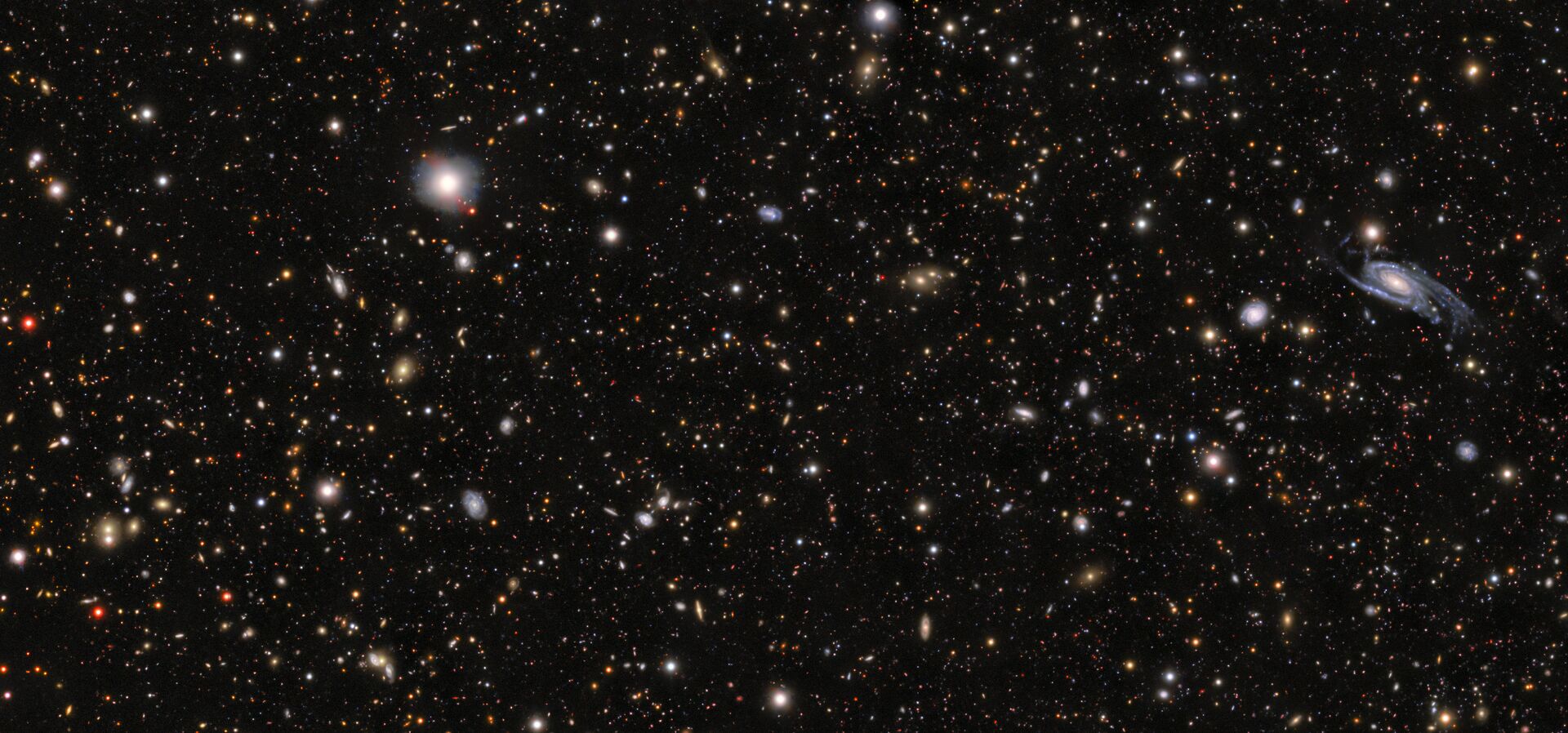
Messier 96 as Seen with DESI Legacy Survey

Organization Release: 10 Aug. 2026 — noirlab2620

Scientists Release Biggest 2D Map of the Universe

The newest DESI Legacy Imaging Surveys map, 13 years in the making, covers three-quarters of the sky and catalogs nearly four billion objects. This treasure trove is available to all and contains stars, galaxies, supernovae, gravitational lenses, and much more. Two NSF NOIRLab facilities contributed data to the map: the U.S. National Science Foundation (NSF) Mayall telescope and the NSF Blanco telescope, equipped with the U.S. Department of Energy-fabricated DECam.

NSF–DOE Rubin image of the field around the progenitor to supernova SN 2026gzf

Science Release: 5 Aug. 2026 — noirlab2619

Astronomers Catch Massive Star’s Death From the First Explosive Moment

A rare cosmic explosion has given astronomers an unprecedented view of a massive star in its final moments, revealing a previously missing link between ordinary supernovae and the most energetic explosions in the Universe. Several NSF NOIRLab facilities and instruments helped to unravel the nature of this event, including the U.S. Department of Energy-fabricated Dark Energy Camera, the U.S. National Science Foundation Nicholas U. Mayall 4-meter telescope, and NSF–DOE Vera C. Rubin Observatory.

Rubin Looks Deep Into a Famous Cosmic Field

Photo Release: 31 July 2026 — noirlab2618

NSF–DOE Rubin Observatory Opens Deep Window on Famous Cosmic Field

A new image from NSF–DOE Vera C. Rubin Observatory offers a spectacularly deep view into a famous region of sky known as the COSMOS field. Located in the constellation Sextans, COSMOS is one of the most observed patches of the Universe — and Rubin’s new image adds a powerful new view of this well-known cosmic landmark.

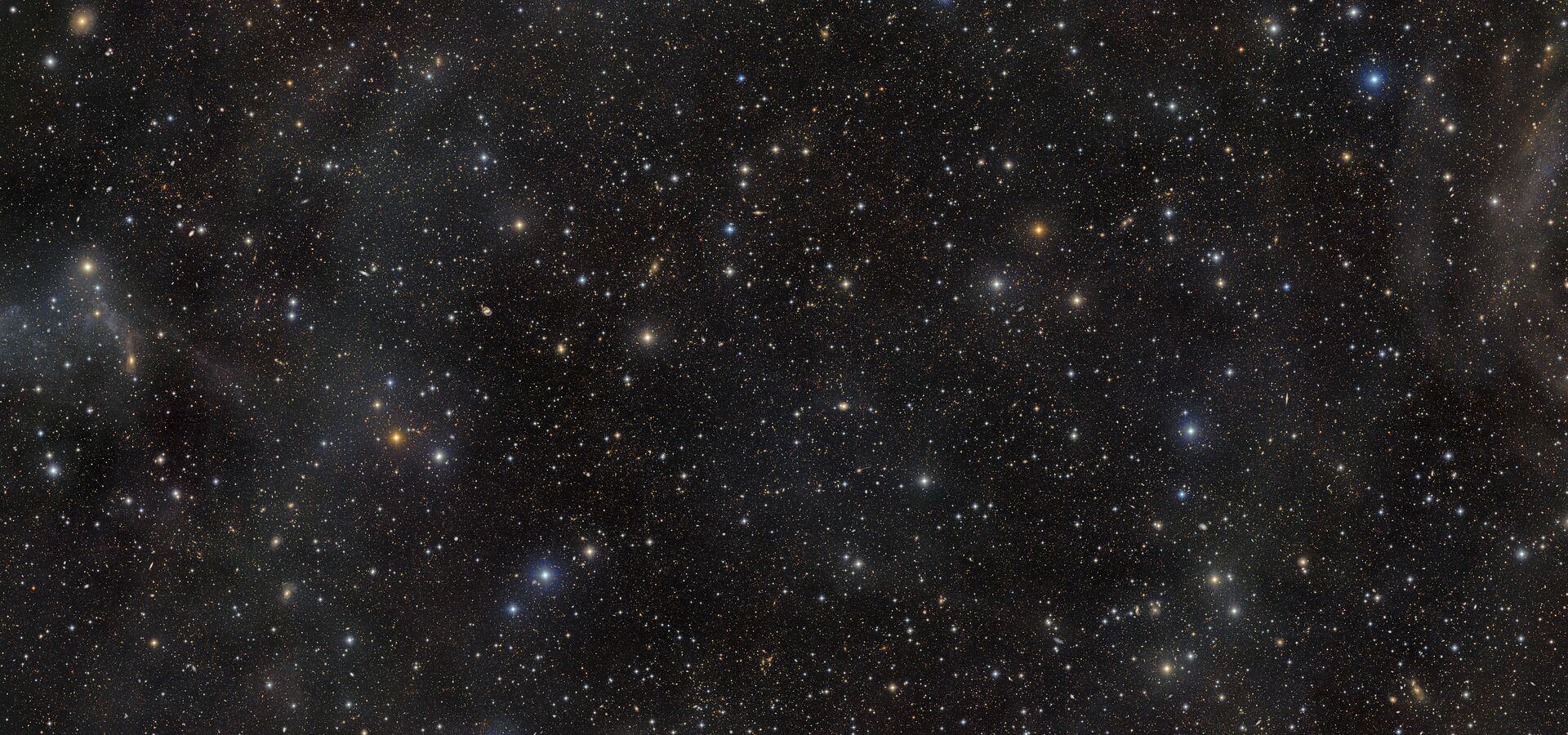
Corona Australis Molecular Cloud

Photo Release: 16 July 2026 — noirlab2617

The Starry Night Redux

The 570-megapixel Department of Energy-fabricated Dark Energy Camera (DECam) captures a vibrant scene, filled with swirls and stars reminiscent of Van Gogh’s The Starry Night. This new cosmic masterpiece features glowing nebula NGC 6729 on the left and globular star cluster NGC 6723 on the right. DECam is mounted on the U.S. National Science Foundation Víctor M. Blanco 4-meter Telescope at Cerro Tololo Inter-American Observatory in Chile, a Program of NSF NOIRLab.

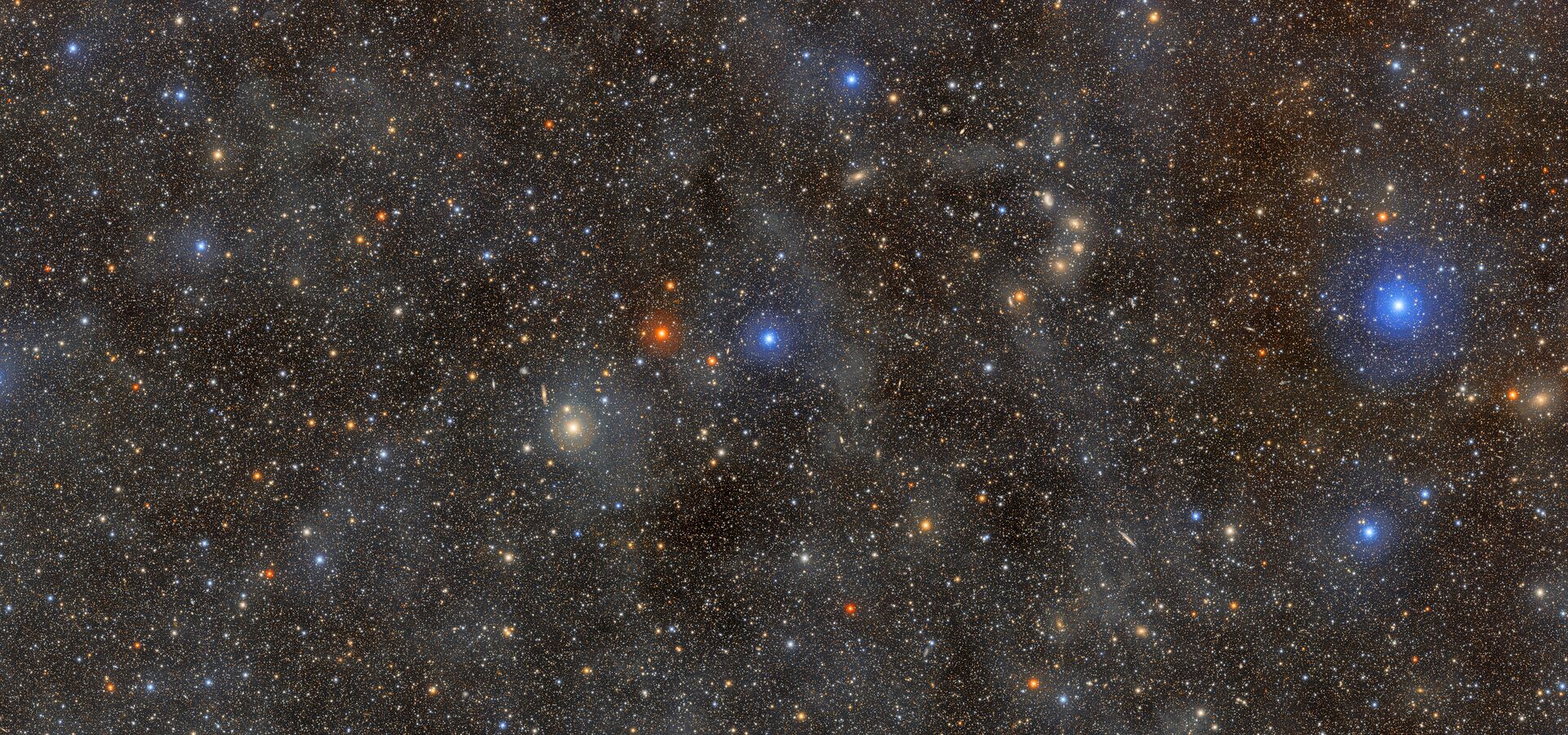
Ocean of Stars

Organization Release: 30 June 2026 — noirlab2616

Action! NSF–DOE Vera C. Rubin Observatory Begins Capturing the Greatest Cosmic Movie Ever Made

The wait is over: NSF–DOE Rubin Observatory, funded by the U.S. National Science Foundation and the U.S. Department of Energy’s Office of Science, is now capturing the cosmos in unprecedented detail, transforming the way we study the dynamic Universe.

Severe Storms Impacting AURA/NOIRLab Operations in Chile
Restoration work continues at NSF NOIRLab's Chilean mountain facilities following a historic winter storm in July 2026. After several days of fresh rain and snow halted recovery efforts, conditions finally cleared on 18 August, allowing teams to inspect roads and clear snow once again. The road to Cerro Tololo is in good enough shape for personnel to restore cafeteria and hotel services, and continue shift work. Cerro Pachón remains more challenging: the road is not yet able to accommodate large water and fuel trucks. With no additional storm systems forecast for this week or next, teams are hopeful that recovery work can continue without further interruptions. Updates are posted on this page.
Announcements


6 Aug. 2026 — ann26017Summer Stars 2026

Summer Stars 2026: Bringing the Cosmos to the Classroom

The third annual Summer Stars Program: Teaching with NSF–DOE Vera C. Rubin Observatory, took place from 13 to 17 July 2026 in Tucson, Arizona. Sixteen educators traded a portion of their summer breaks for a week exploring authentic astronomical investiga…

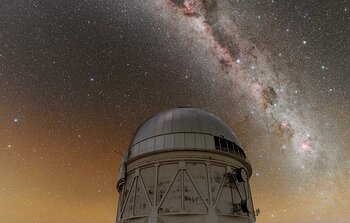
31 July 2026 — ann26016The Milky Way Over the NSF Víctor M. Blanco 4-meter Telescope

First AI-driven Telescope Goes Stargazing

An artificial intelligence system has, for the first time, successfully planned and managed observations on a national facility, demonstrating a new way to make the most of scarce observing time. Trained on 13 years of historical data, the system generat…

31 July 2026 — ann26015Cerro Tololo Light Show

CieloBuio Joins OPCC to Protect Pristine Night Skies for Astronomy

The Oficina de Protección de la Calidad del Cielo del Norte de Chile (OPCC) — the Chilean body responsible for safeguarding the world's clearest and most precious skies for astronomy — has signed a Memorandum of Understanding (MOU) with CieloBuio — the l…

16 July 2026 — ann26014The NOIRLab Mirror – June 2026

June 2026 Issue of The NOIRLab Mirror Highlights News and Milestones for the NSF NOIRLab Community

The June 2026 issue of The NOIRLab Mirror is now available. This biannual publication focuses on news and scientific content from throughout NSF NOIRLab, which is funded by the U.S. National Science Foundation (NSF). Dive into stories that showcase the s…
30 June 2026 — ann26013The official Asteroids2029 logo

Launch of Asteroids2029: a Global Effort to Support The UN International Year of Asteroid Awareness and Planetary Defence

The launch of Asteroids2029 marks the beginning of a worldwide initiative supporting the UN International Year of Asteroid Awareness and Planetary Defence. Inspired by the exceptionally close passage of asteroid Apophis in April 2029, over 70 experts and…

18 June 2026 — ann26012NSF NOIRLab 2025 Year in Review cover

NSF NOIRLab Releases 2025 Year in Review

NSF NOIRLab, funded by the U.S. National Science Foundation, has released its 2025 Year in Review. Designed to provide a comprehensive and transparent account of NOIRLab’s successes in 2025, this new publication chronicles a year of major discoveries, te…

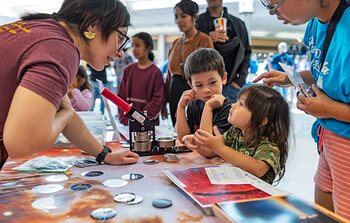
8 May 2026 — ann26010AstroDay Hilo 2026

ʻOhana Explored the Cosmos with Gemini Staff at AstroDay 2026 in Hilo

Together with the other Maunakea Observatories (MKOs) and a collection of STEM organizations, the International Gemini Observatory, funded in part by the U.S. National Science Foundation (NSF) and operated by NSF NOIRLab, celebrated the annual AstroDay H…

8 May 2026 — ann26011The Scope banner

New NSF NOIRLab Publication The Scope Illuminates the Variety of Roles in Astronomy and Astrophysics

NSF NOIRLab, funded by the U.S. National Science Foundation, is pleased to announce the launch of The Scope, a publication featuring human-interest stories from across the lab. With contributions from over 40 staff members from NOIRLab’s sites in Arizona…

30 April 2026 — ann26009Tony Tyson

NSF–DOE Rubin Observatory Founding Director Tony Tyson Included in 2026 TIME100

Astronomer Tony Tyson of the University of California, Davis, whose vision laid the foundation for NSF–DOE Vera C. Rubin Observatory, has been included in the 2026 TIME100, TIME’s annual list recognizing the 100 most influential people in the world.

Rub…

17 April 2026 — ann26008NSF NOIRLab refereed publications 2025

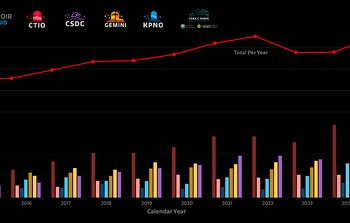
NSF NOIRLab Increases Science Productivity in 2025

One of the most important productivity metrics in astronomy and astrophysics is the annual number of publications in peer-reviewed journals using data from telescopes. NSF NOIRLab, funded by the U.S. National Science Foundation, encompasses many of the w…

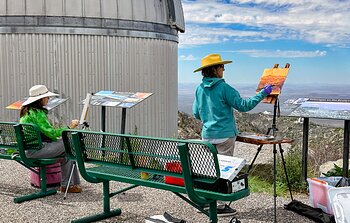
8 April 2026 — ann26007Paint Arizona Day at Kitt Peak National Observatory

Local Artists Celebrate Paint Arizona Day from Kitt Peak National Observatory

Kitt Peak Visitor Center at U.S. National Science Foundation Kitt Peak National Observatory (KPNO), a Program of NSF NOIRLab, welcomed three fine artists celebrating Paint Arizona Day in early April. From the summit of I’oligam Du’ag (Manzanita Shrub Mou…

27 March 2026 — ann26006AstroDay Chile 2026

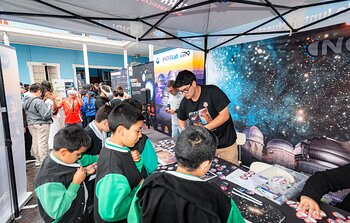
A Universe of Activities at AstroDay Chile 2026

On Friday, 20 March 2026, NSF NOIRLab, funded by the U.S. National Science Foundation, and managed by the Association of Universities for Research in Astronomy (AURA), welcomed 4296 members of the community to AstroDay Chile 2026. As one of the most popu…

17 March 2026 — ann26005AstroDay Chile 2026 poster

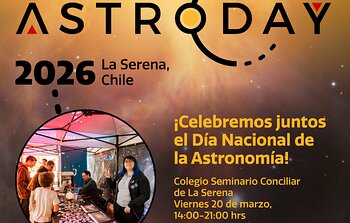
Media Advisory: Join us for AstroDay Chile 2026

NSF NOIRLab, funded by the U.S. National Science Foundation, and the Association of Universities for Research in Astronomy (AURA), NOIRLab’s managing organization, invite you to join AstroDay Chile 2026, a fun-filled day of learning and discovery, design…

12 March 2026 — ann26004Dedication Ceremony

Dedication Ceremony Celebrates Taṣogida Ki: Center for Astronomy Outreach at NSF Kitt Peak National Observatory

On 5 March, colleagues, partners, and community leaders gathered at U.S. National Science Foundation Kitt Peak National Observatory (KPNO), a Program of NSF NOIRLab, for the dedication of the newly renamed Taṣogida Ki: Center for Astronomy Outreach, form…

25 Feb. 2026 — ann26003The NOIRLab Mirror - January 2026

January 2026 Issue of The NOIRLab Mirror Highlights News and Milestones for the NSF NOIRLab Community

The January 2026 issue of The NOIRLab Mirror is now available. This biannual publication focuses on news and scientific content from throughout NSF NOIRLab, which is funded by the U.S. National Science Foundation (NSF). Dive into stories that showcase th…

6 Feb. 2026 — ann26002Love Your Stars

Globe at Night Encourages You to ‘Love Your Stars’ in February 2026

Few sights are more romantic than a star-filled sky, but there are fewer and fewer places on Earth where we can still enjoy a truly dark, star-filled sky. Light pollution means we risk losing one of the most romantic spectacles in nature.

This Valentine…

27 Jan. 2026 — ann26001Journey Through the Universe Fall 2025

Media Advisory: Join Us During Spring Journey Week From 2–6 February

Hawai'i Island’s largest astronomy education program, Journey Through the Universe (Journey), is hosting its 22nd year of classroom visits, career panels, and community events in one fun-filled week (Spring Journey Week). From 2–6 February 2026, voluntee…

22 Dec. 2025 — ann25024December Bloom 2025

NSF–DOE Rubin Update for December 2025

It’s been a busy few months at NSF–DOE Vera C. Rubin Observatory, jointly funded by the U.S. National Science Foundation and the U.S. Department of Energy's Office of Science, since the release of the observatory’s first images to the world in June 2025.…

5 Dec. 2025 — ann25023Windows Center Opening Poster

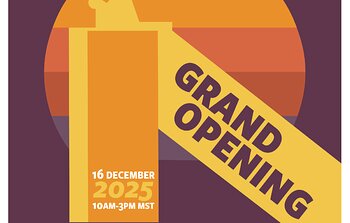
Media Advisory: Invitation to Opening of New Public Science Center on Kitt Peak

It is our great pleasure to invite you to the grand opening of the Windows on the Universe Center for Astronomy Outreach (Windows Center) on 16 December from 10 a.m.–3 p.m. MST. The event will take place at the U.S. National Science Foundation Kitt Peak …

26 Nov. 2025 — ann25020FITS Liberator 5

Release of NOIRLab FITS Liberator 5

The latest version of one of astronomy’s most beloved image-processing tools has been released. NOIRLab FITS Liberator 5 launches a new era of innovation accessible to scientists, educators, and astronomy enthusiasts worldwide.

The FITS Liberator has lo…

Images of the Week


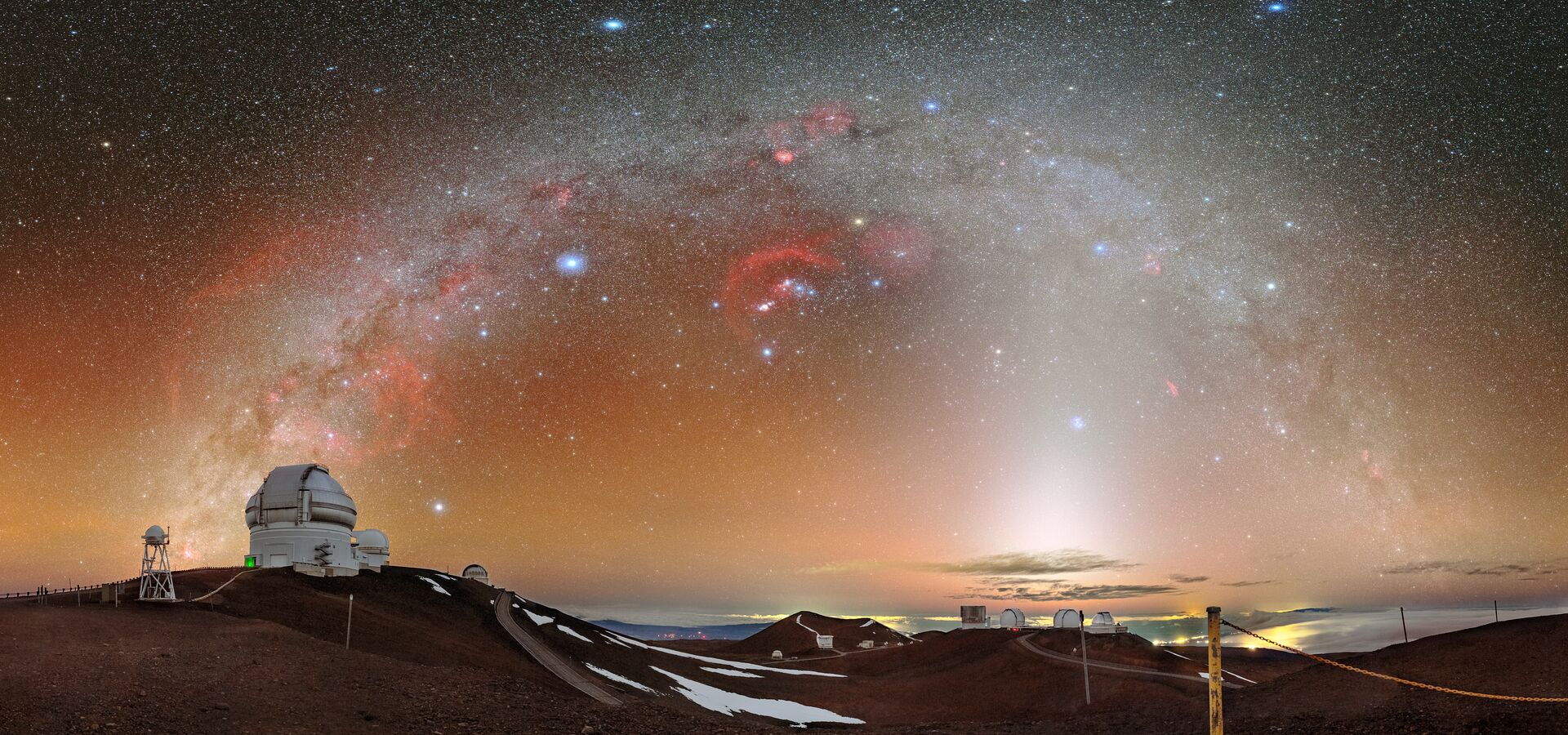
Marmalade Skies

19 Aug. 2026 — iotw2633

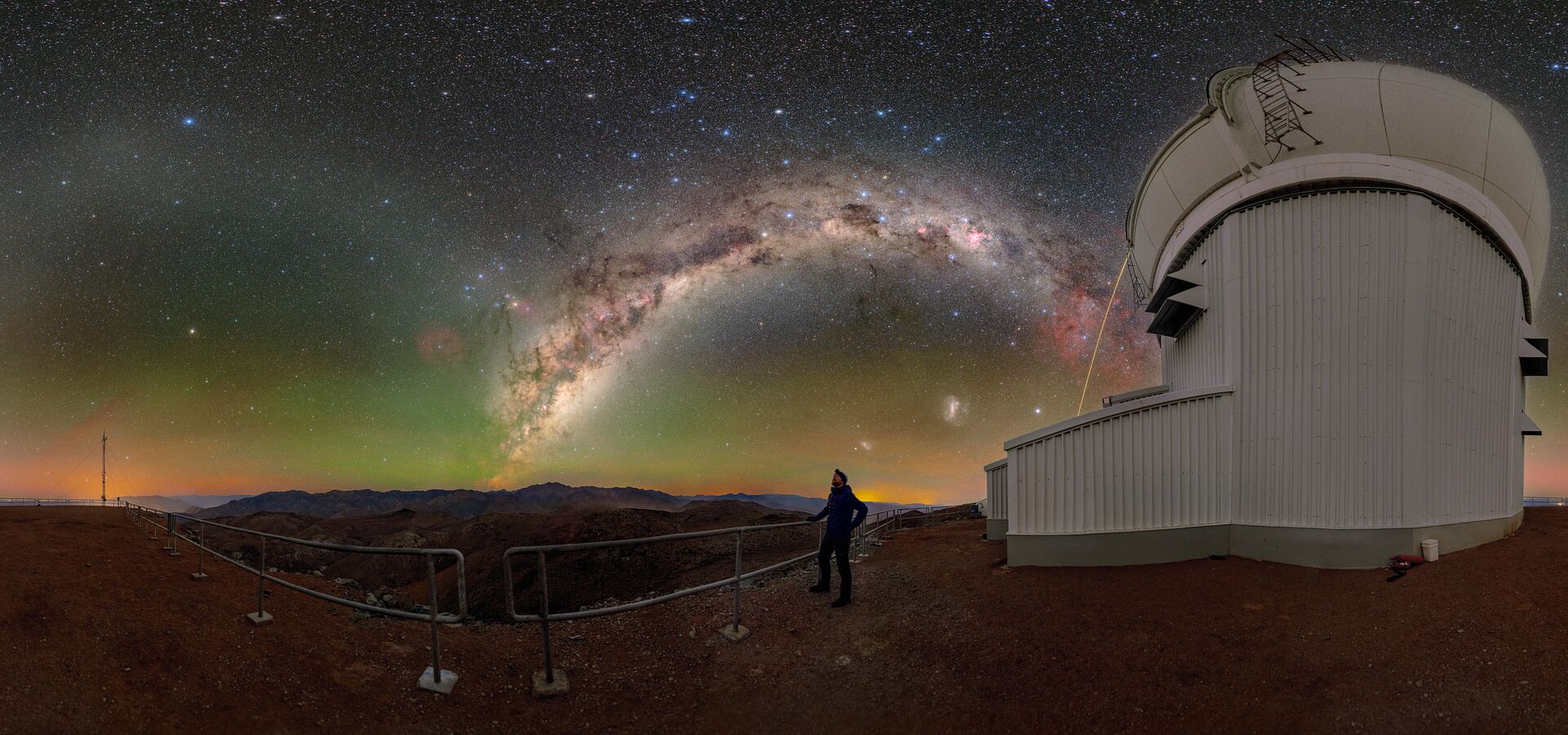
Marmalade Skies

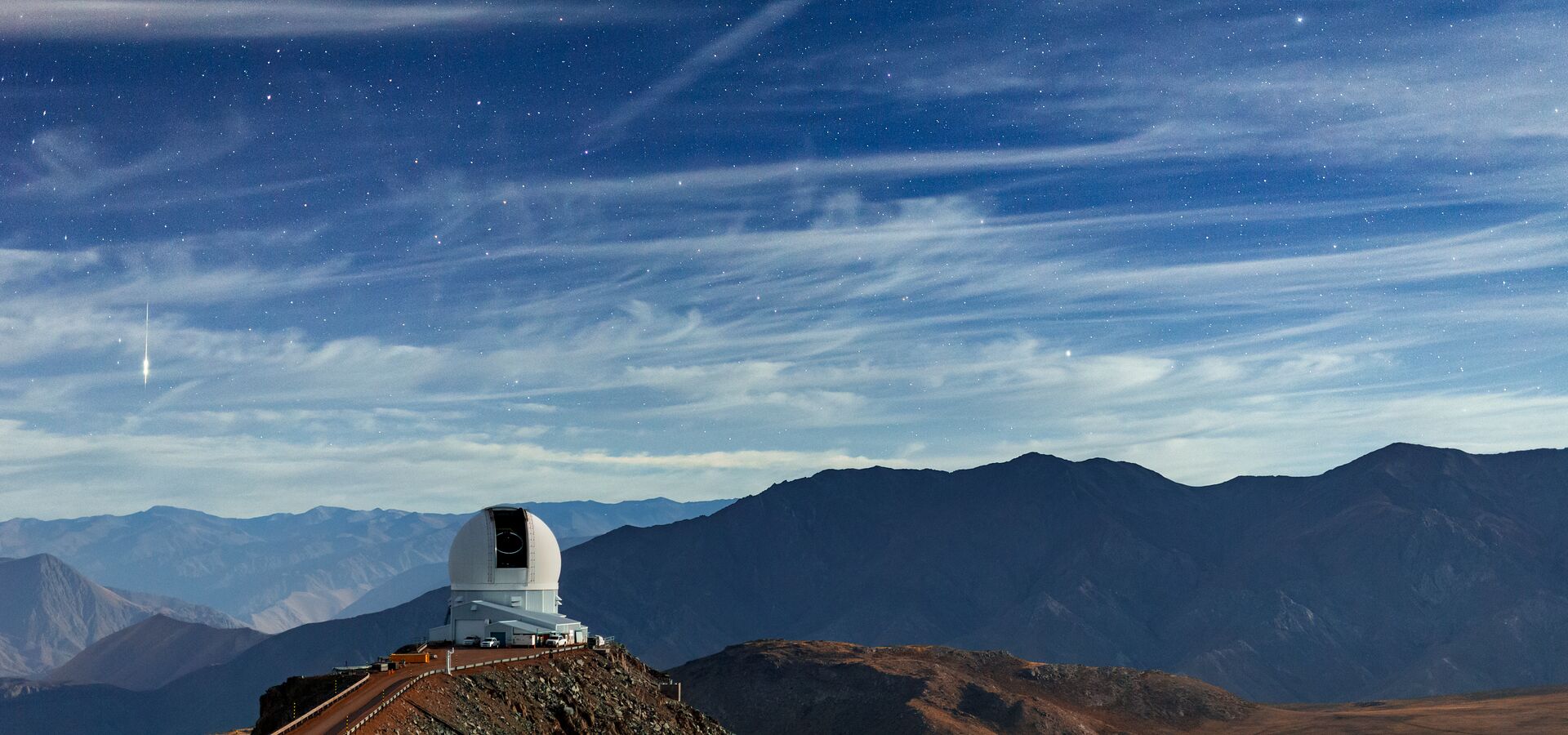
A Magical Atmosphere Around SOAR

12 Aug. 2026 — iotw2632

A Magical Atmosphere Around SOAR

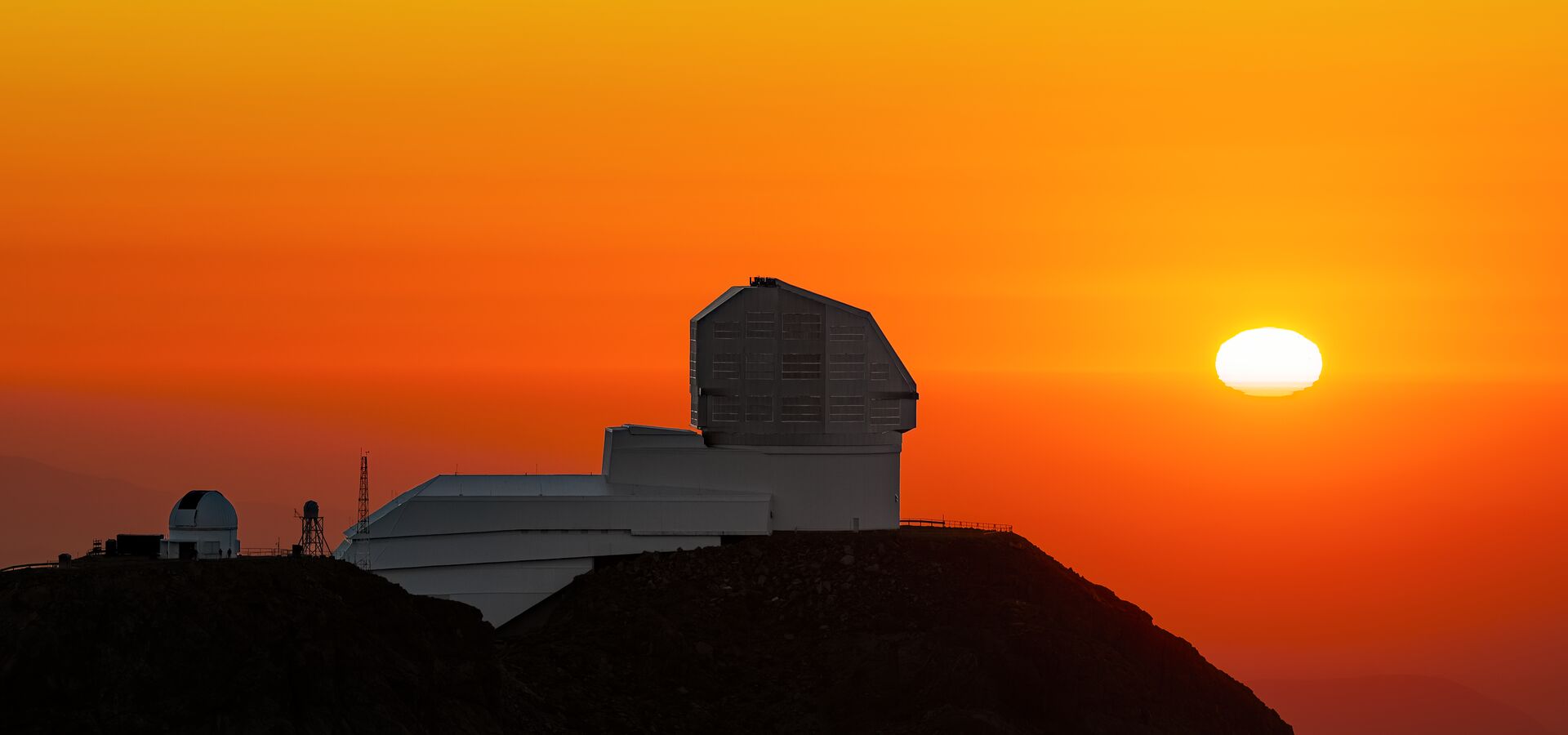
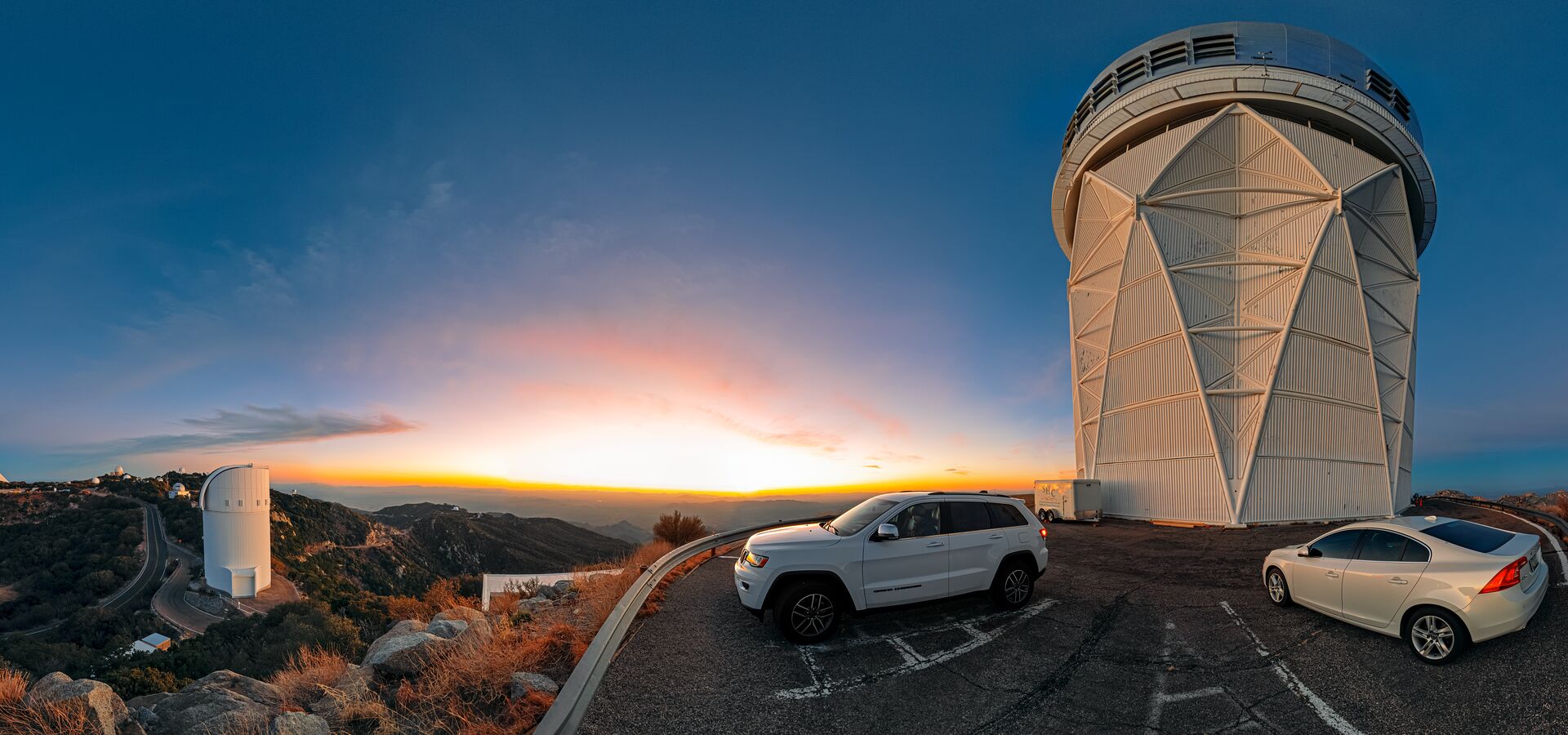
Distorted Sunset over Rubin

5 Aug. 2026 — iotw2631

Distorted Sunset over Rubin

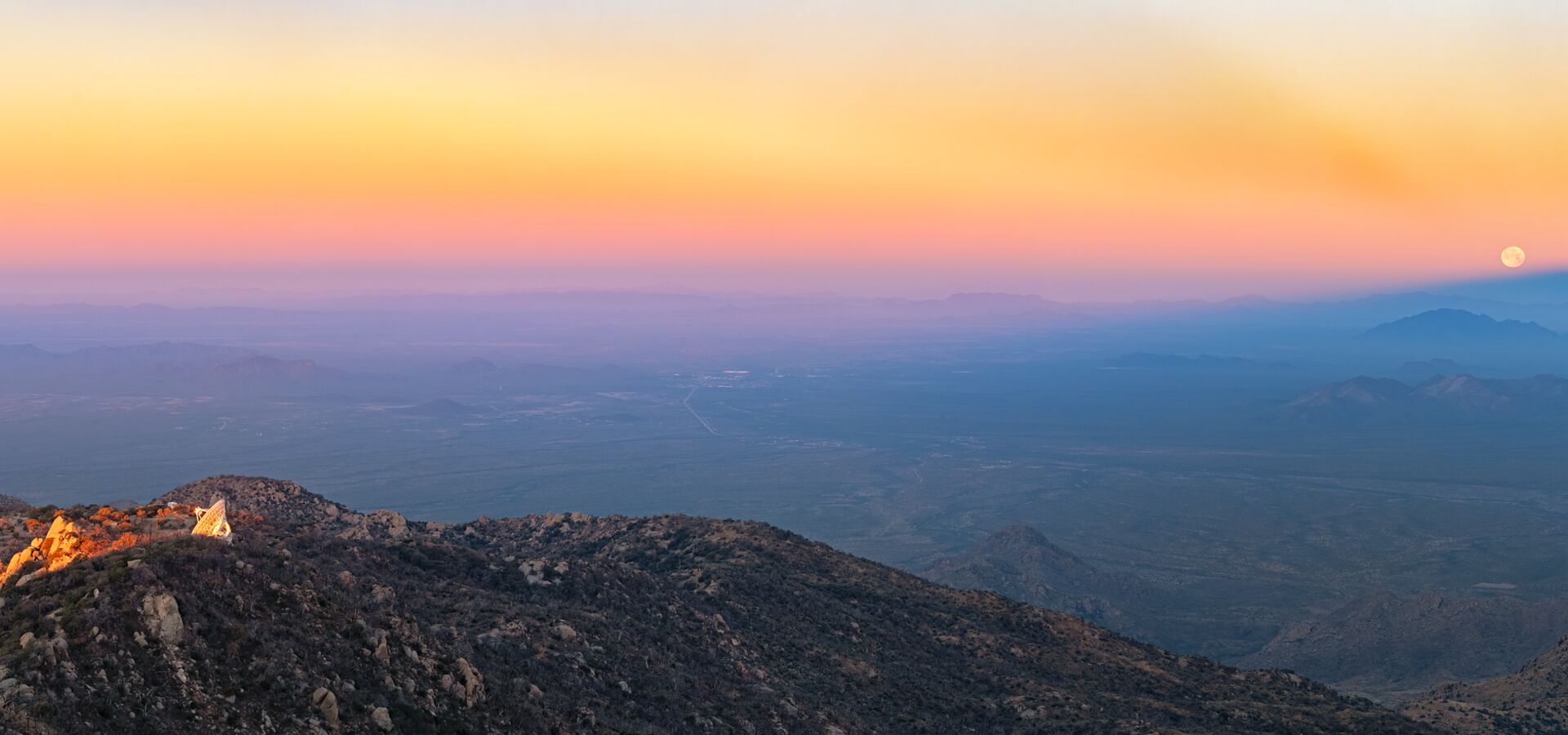
Sunset in the Sonoran Desert

29 July 2026 — iotw2630

Sunset in the Sonoran Desert

Rare Planetary Parade over Kitt Peak

22 July 2026 — iotw2629

Rare Planetary Parade over Kitt Peak

NSF–DOE Rubin Observatory December 2025 Image of  Interstellar Traveler

15 July 2026 — iotw2628

NSF–DOE Rubin Observatory December 2025 Image of Interstellar Traveler

Sunset Before Rubin’s First Look

8 July 2026 — iotw2627

Sunset Before Rubin’s First Look

Not Your Typical Stargazing

1 July 2026 — iotw2626

Not Your Typical Stargazing

Anticrepuscular Rays and a Lunar Eclipse

24 June 2026 — iotw2625

Anticrepuscular Rays and a Lunar Eclipse

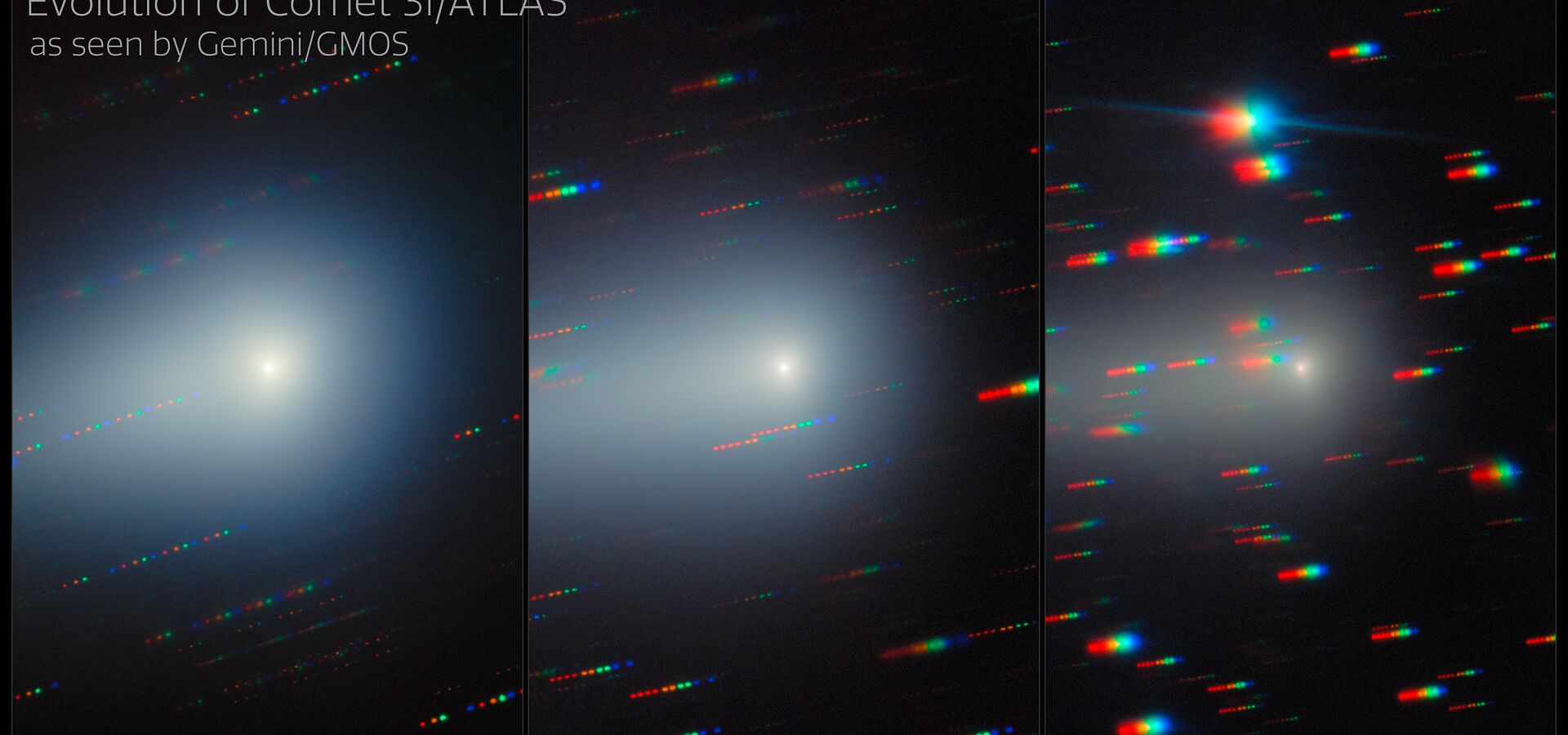
Gemini North Spots the Changing Comet 3I/ATLAS

16 June 2026 — iotw2624

Gemini North Spots the Changing Comet 3I/ATLAS

Learn More


Telescopes and Instrumentation

Telescopes and Instrumentation

NOIRLab Stories Blog

NOIRLab Stories Blog

Site Maps

Site Maps

Globe at Night

Globe at Night

Join Our Social Media Channels

Join Our Social Media Channels

Public Visits

Public Visits

Logo of the NOIRLab stories shining a light on people, sci and tech

A Kitt Peak rocket preparing for launch in 1968

14 Aug. 2026

Remembering the NSF Kitt Peak National Observatory Rocket Program

At the NSF NOIRLab Headquarters Library in Tucson, Arizona, The Lloyd Vincent Wallace Rocket Program Papers document Kitt Peak’s Space Division, which ran from 1959 until 1973. Complete with historical photos, the Rocket Program Papers tell the story of how U.S. National Science Foundation (NSF) Kitt Peak National Observatory conducted astronomy and aeronomy research using sounding rockets during the Cold War-period.

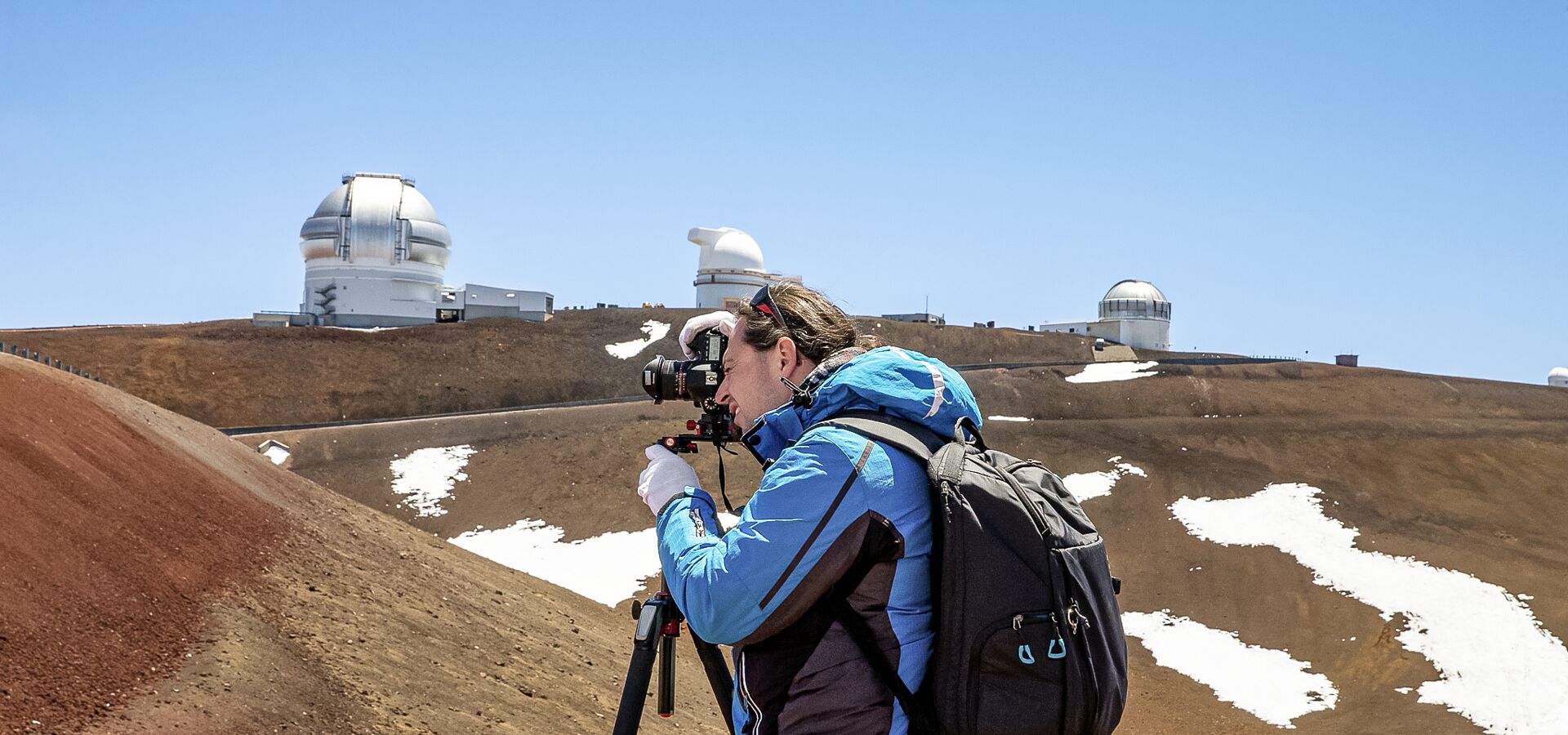
Petr Horálek photographing on Maunakea Hawai‘i

1 July 2026

NOIRLab on Camera

NSF NOIRLab Audiovisual Ambassadors Mahdi Zamani, Petr Horálek, Carlos Corco, Bruno Quint, and Theofanis Matsopoulos give a behind-the-lens look at how they visually translate the beauty of the night sky through captivating photos, videos, planetarium shows, and 360° footage to share NOIRLab’s story with the public. This blog serves as a glimpse into the pages of The Scope, NSF NOIRLab’s newest publication, available to read digitally now.

Collecting Data for Globe at Night

8 May 2026

Our Precious Dark Skies

Many hands make light work. Across NSF NOIRLab facilities, professionals band together to monitor and mitigate light pollution in an increasingly brighter world. This blog serves as a glimpse into the pages of The Scope, NSF NOIRLab’s newest publication, available to read digitally now.

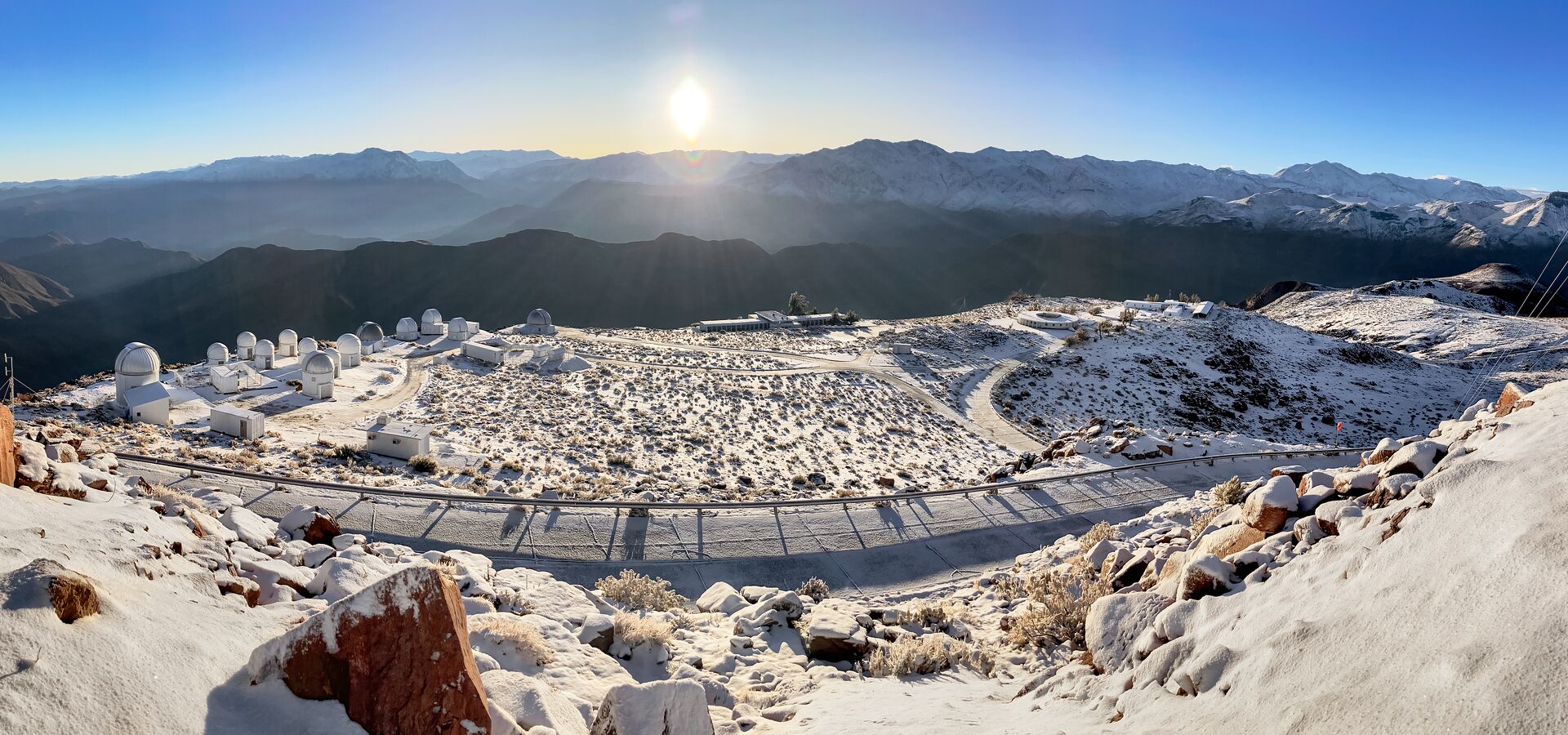
Sunrise and Snow at Cerro Tololo Inter-American Observatory

8 April 2026

A Decade Among Mountains and Stars

There are places where we work. And there are places where we leave a part of ourselves.

Kitt Peak Backup Water Source

19 Jan. 2026

Observatory Oasis

High on a remote mountaintop in the Sonoran Desert, U.S. National Science Foundation Kitt Peak National Observatory, a Program of NSF NOIRLab, depends on more than clear skies. Here, water is as precious as starlight. With no connection to municipal tapwater, the twenty-plus telescopes on the mountain rely on an intricate rainwater harvesting system that has been maintained for decades.

Our Programs


Logo of the Cerro Tololo Inter-American Observatory

From the first observations in 1965, Cerro Tololo, located in Chile, has served as the principal platform for U.S. astronomical investigation of the southern skies.

Logo of the Community Science and Data Center

Programs within the Community Science and Data Center support and enable a broad range of astronomical community science activities across the US ground-based optical and infrared system.

Logo of the Kitt Peak National Observatory

Founded in 1958, Kitt Peak National Observatory is home to one of the largest arrays of optical and radio telescopes in the world.

Logo of the International Gemini Observatory

The Gemini Observatory consists of twin 8.1-meter diameter optical/infrared telescopes located on two of the best observing sites on the planet.

Logo of the Vera C. Rubin Observatory

Vera C. Rubin Observatory, currently under construction on Cerro Pachón in Chile, is an 8-meter-class telescope coupled to a 3.2-gigapixel camera – the world’s largest digital camera ever fabricated for optical astronomy.

  • NOIRLab Logo
  • Contacts & Travel
  • Privacy
  • Careers
  • Image Usage
  • Sitemap
  • Conduct

NOIRLab Contact

950 N. Cherry Ave.
Tucson, AZ 85719, USA
Tel: +1 520 318 8000
info@noirlab.edu

  • Contact Facebook Logo
  • Contact Twitter Logo
  • Contact Instagram Logo
  • Contact Youtube Logo
  • Contact Linkedin Logo

Discovering Our Universe Together

AURA Logo

NSF NOIRLab (U.S. National Science Foundation National Optical-Infrared Astronomy Research Laboratory) is the U.S. national center for ground-based, nighttime optical astronomy. The Association of Universities for Research in Astronomy, Inc. (AURA) operates these facilities and NSF NOIRLab under a cooperative agreement with the U.S. National Science Foundation (NSF).