 RetroFed
solo, solo@slrpnk.net
Instance: slrpnk.net
Joined: 2 years ago
Posts: 435
Comments: 28
My main account is here. I’m also using this one: solo@piefed.social, because I really like the feed feature.
Btw I’m a non-binary trans person [they/she/he].
Posts and Comments by solo, solo@slrpnk.net
 fungus
 solo
solo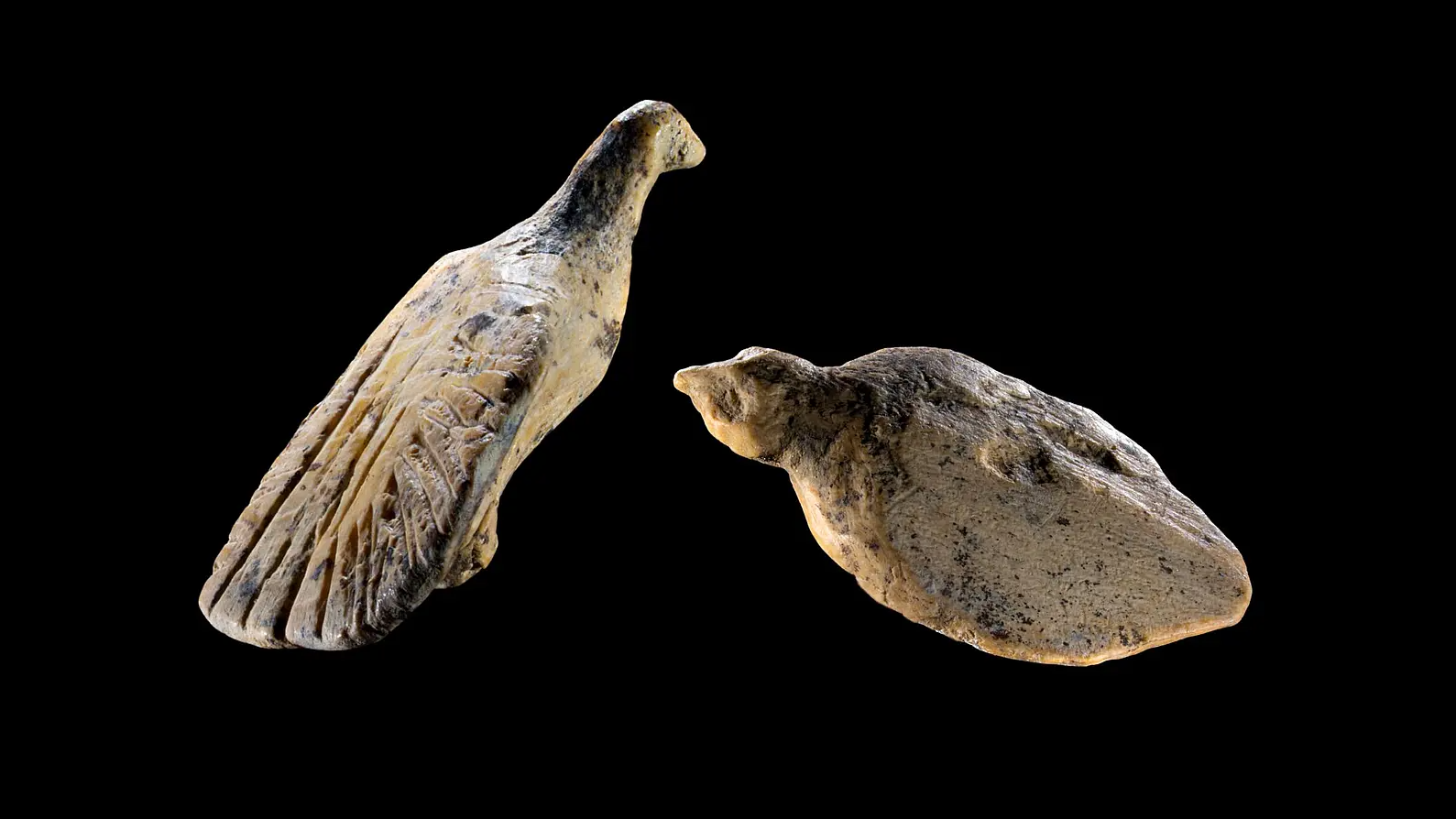

 collapse
 electricvehicles
 usa
usa
 technology

 space
space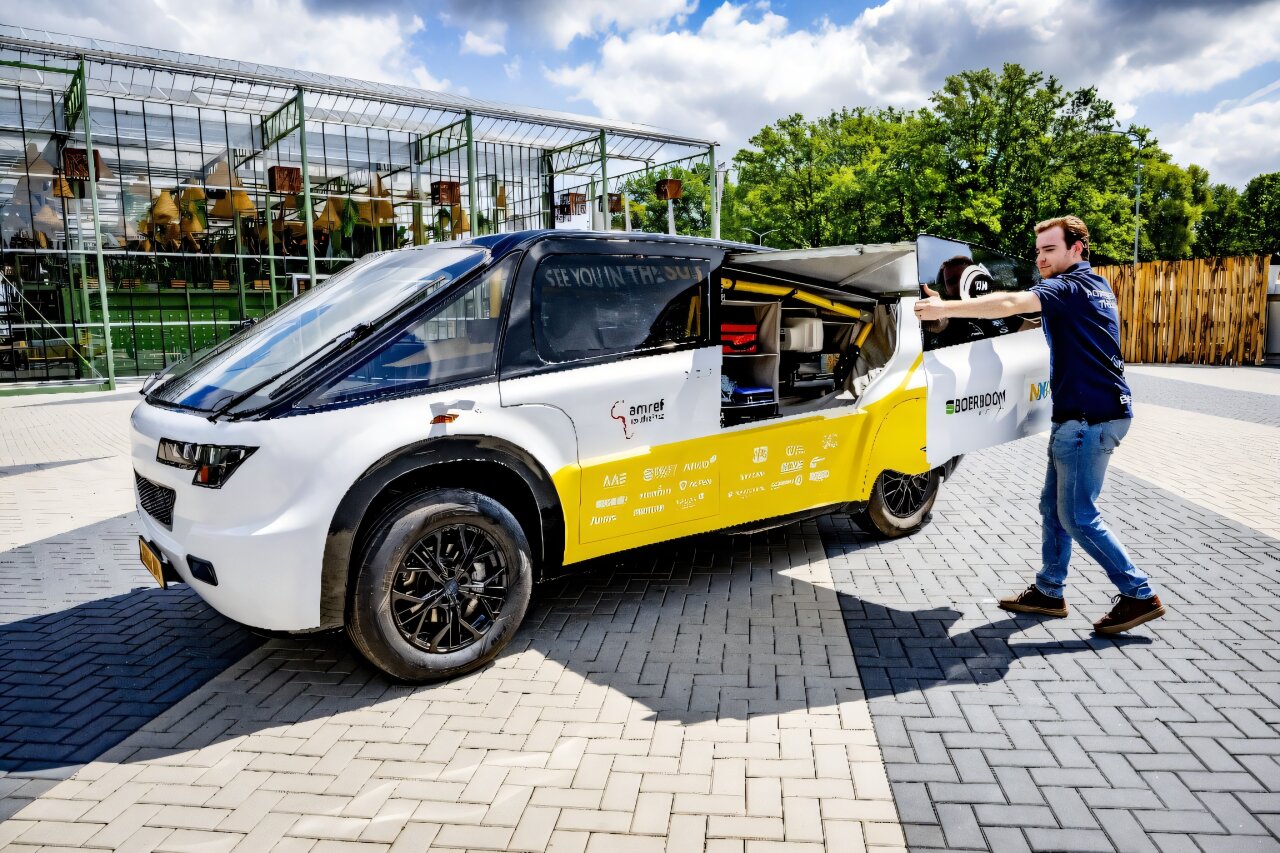

 conservation

 biodiversity

 collapse

Comments by solo, solo@slrpnk.net
I need to read more about solarpunk as a social movement.
There’s link at the mo, at the very top of our front page. Here it is: ☀️ New to Solarpunk? Click here.
The way I see things, law enforcement and military are there to serve and protect those who are higher up in social hierarchies, as well as their wealth, even tho we are fed the story that they work for us, common people. In reality, they are a top-down structure, full of corruption, racism, sexism etc, and I really don’t feel safe around them.
So in order to answer your question, I would need to reframe it. It could be something like: how do people and areas can be protected, from other people or groups of people who are bad actors, within a society that does not have hierarchical structures (meaning that is organized in a horizontal way)?
For me, the answer is not a sweeping rigid model that will be applied everywhere, all the time. People from different places see things differently, so local solutions need to be applied. Cultures worldwide have dealt with these things. So, one solution would be to look into their examples and find ideas that would fit our community’s needs, and take it from there.
(If the questions was about the justice system, I would suggest to look into restorative justice, as well as transformative justice)
It’s the first video of SquidTips I didn’t like. I haven’t seen them all, just many.
The points he made in the second half (from what I recall) were valid on a theoretical level.
On a practical level and in relation to the first part of the video, the things that created the fraction need to be addressed and clarified before the action (and he does talk about this). So, what sort of organizing are we talking about if these basic things are not clear beforehand? As he said it himself, when he disagrees with tactics he just doesn’t go, cause there are plenty of things to do anyways.
Also, I think that he should have waited longer before posting this. I believe if he would have given it some time, his analysis would have deep enough not to remind me of i’m a better anarchist than you.
Dammit then. I started posting in this community every now and then lately, mainly as a reminder that EVs are not only cars. From your comment and the ratio of upvotes/downvotes, it looks like my attempt was not fruitfull.
I suppose, there is room to include other EVs here. We could be talking about electric public transport like (busses, trains), electric bikes, electric boats etc, not only about cars, brands, new models, dollars etc. This is just a wish on my behalf, and I thought of contributing with the sort of content I would like to see more of.
Btw here is a recent post from another community here, related to cars (not only!) and I really hope you enjoy it :) https://slrpnk.net/post/40518356
Do we also have compostable components?
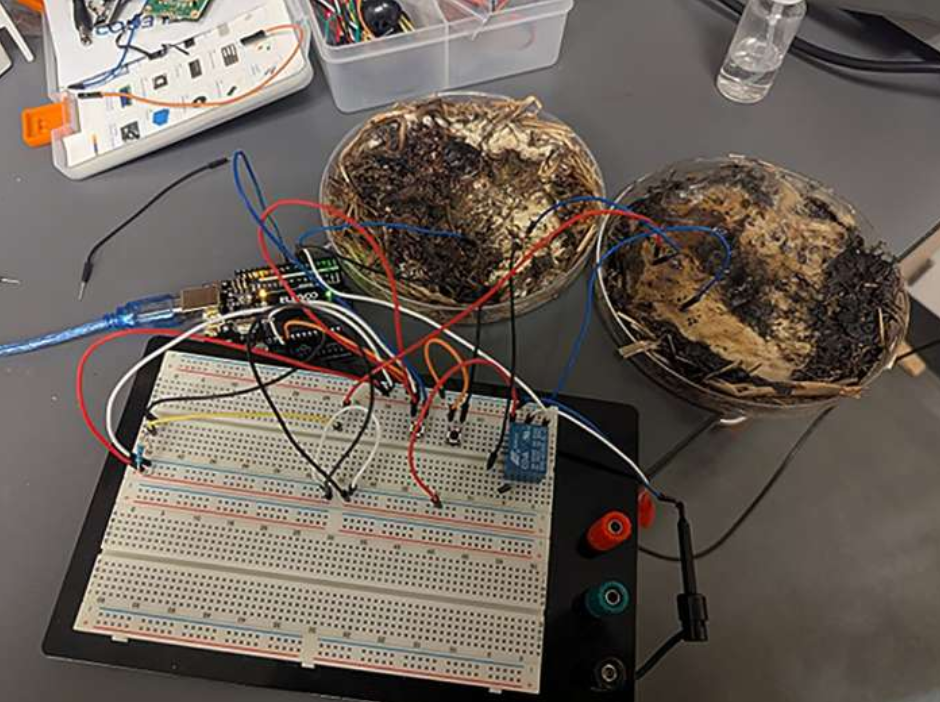
I know only a bit about bio-tech that comes from fungi, and people are working on it, but we’re not there yet to my understanding. As one example, researchers from The Ohio State University recently discovered that common edible fungi, such as shiitake mushrooms, can be grown and trained to act as organic memristors, a type of data processor that can remember past electrical states.
This one looks like that:
And here are some relevant articles, in case you feel like checking them out.
 Solarpunk@slrpnk.net
I second that! I am not too sure about hops tbh, in the sense that they don’t seem to thrive/survive where I live, but the idea of using vegetation is helping greatly to cool the microclimate. The downside is that you will need at least a balcony, the bigger it is, the more vegetation you can have, and the more you have, the cooler it will be. If you have a garden, it’s a whole other level, in the best possible way.
This approach is also great because you can plant eatibles, and have your own veggies and fruits.
 Geoengineering
Thought of adding a relevant link from Geoengineering Monitor:
 Buy it for Life
I noticed in the comments everyone really likes them, but this is not my experience.
True, no leakage. Mine, I got it at least 6 years bacl, never put in a dishwasher and it’s as good as new. But whenever I used it for a hot beverage, everything turns bad in it so much faster than anywhere else. Initially I thought I was not cleaning it well enough. I cut a sponge to reach everywhere and I was doing it daily, with the thingy lifted like in the last picture. I concluded it’s not that. It’s like the perfect conditions are created for new life to appear in it.
I still use it all the time, but only for water. Which also turns bad, but at least it can hold for a day or something, depending if it is room temp or cold.
 Science
Lula also this:
Brazil’s president Lula has greatly escalated his pressure for approval of oil drilling in the mouth of the Amazon River
The hypocrisy of Lula’s claims that the oil project will finance an energy transition
[source]
 Solarpunk Money@slrpnk.net
Interesting project for sure. Still, I think I don’t understand what is the insentive for banks and central banks to adopt this system?
Waving to you :)
Intreseting point you made there, and I think you are correct. Found this relevant percentage about Chile, Santiago. And damn, I had to do some digging.
According to official data, the fleet went from 922 electric buses in 2022 to 4,088 units in February 2026, and is projected to reach 4,400 electric buses during 2026 – a figure equal to roughly 68% of the entire system fleet. [source]
To clarify and to my understanding, here they talk about the Red Movilidad system fleet which is the public transport system that serves Santiago.
If I got you right, the percentages you are looking for are in the article and you can have a visual representation in Figure 2 - Share of the electric bus fleet (…)
OP, I have the impression you will also like the following communities, so I thought of adding them here in case you feel like checking them out. Hope you enjoy!
 Anarchism and Social Ecology@slrpnk.net
Could you be more specific?
Respectfully, it’s like you are not listening to the arguments you are being provided, which have been repeated to you several times already.
I don’t want to argue on cloudy grounds
Respectfully again, your whole approach is cloudy, or should I better say: all over the place.
Verbally interacting is not only about arguing. It can also be about listening, taking into account what the other person or persons are saying, and reflecting on these inputs.
 AudioBooks
I think you are totally right and wild guess would be that this could be on purpose. If I remember correctly the actions suggested in this book are related to what you can do in the open and without breaking into buildings. Petroleum refineries are a sort of a cluster of building structures and I suppose transformer cooling oil machines are kept indoors.
That said, and to my knowledge, drilling equipment is in the open, but in private properties. Tbh I don’t remember examples in the book that suggest breaking into private properties neither, but I could be wrong. So, if this argument of mine doesn’t hold water, I am more than open to reconsider.
Intersectionality as I see it is to normalize using many frames to bring about understanding.
I believe it’s the opposite of that, actually. Intersectionality, casts light upon the area where frames intersect, which was the previously non-visible part.
Anarchism and Social Ecology@slrpnk.net
You say you want a conversation with me but you don’t even bother taking into account my suggestion which was actually very simple:
do a search of the word “sexism” and read at least something about it.
Instead, you chose to write this comment. Your approach doesn’t make me want to give you any more of my time at this point. So bye bye for now
Anarchism and Social Ecology@slrpnk.net
If the term “mother earth” is sexist or not is something that depends on the context. Well, imo.
The characteristics you project to motherhood and fatherhood are totally stereotypical.
To me it seems obvious you haven’t spent any time on this topic and I assume that since you like writing, most probably you like reading? If that’s the case, I invite you to use your favorite search engine and start researching this topic. I really hope you’ll enjoy the findings!

There’s link at the mo, at the very top of our front page. Here it is: ☀️ New to Solarpunk? Click here.
You might find this documentary interesting: Hollow Water | 2000 | 48 min
The way I see things, law enforcement and military are there to serve and protect those who are higher up in social hierarchies, as well as their wealth, even tho we are fed the story that they work for us, common people. In reality, they are a top-down structure, full of corruption, racism, sexism etc, and I really don’t feel safe around them.
So in order to answer your question, I would need to reframe it. It could be something like: how do people and areas can be protected, from other people or groups of people who are bad actors, within a society that does not have hierarchical structures (meaning that is organized in a horizontal way)?
For me, the answer is not a sweeping rigid model that will be applied everywhere, all the time. People from different places see things differently, so local solutions need to be applied. Cultures worldwide have dealt with these things. So, one solution would be to look into their examples and find ideas that would fit our community’s needs, and take it from there.
(If the questions was about the justice system, I would suggest to look into restorative justice, as well as transformative justice)
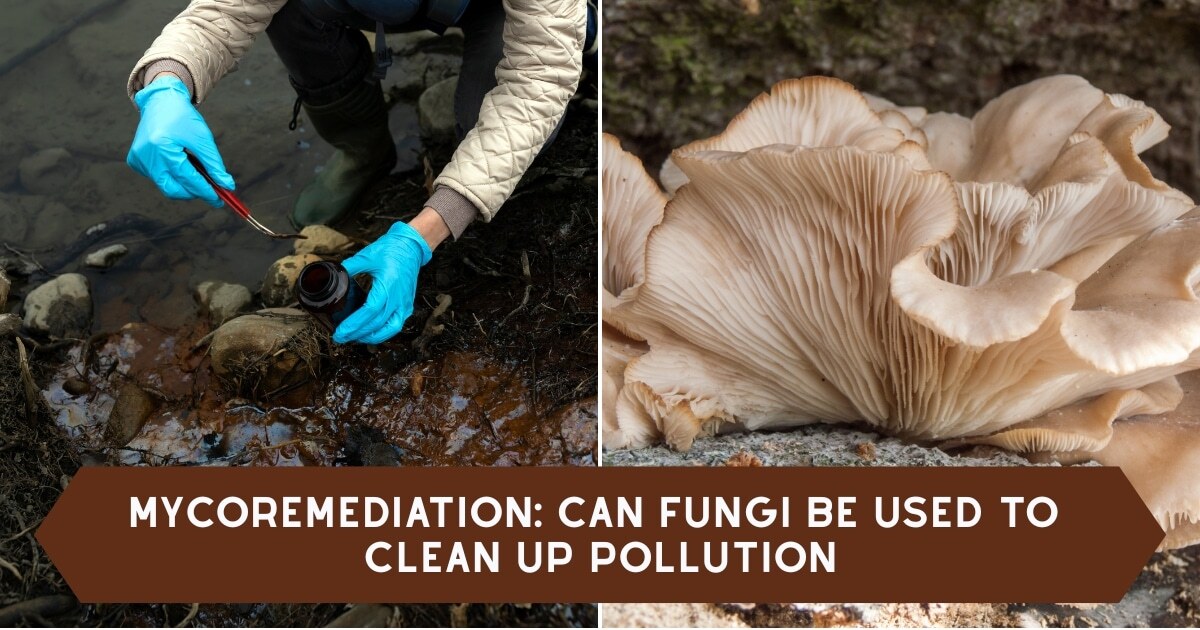
Mycoremediation: Can Fungi Be Used to Clean Up Pollution (mushroom-appreciation.com)
It may be hard to believe mushrooms can grow in diesel-soaked soil, but in one experiment, they did exactly that. In the late 1990’s, researchers ran a field test using oyster mushroom mycelium, and within weeks, oyster mushrooms were coming up straight out of the blackened dirt. That trial helped spark interest in using fungi to clean up pollution, even though its actual results were mixed.
40,000-year-old bird figurines the size of a thumbnail discovered in a cave in Germany (livescience.com)
At least 18 die as 49,000 cross to Spanish enclave of Ceuta from Morocco (theguardian.com)
More details soon …
It’s the first video of SquidTips I didn’t like. I haven’t seen them all, just many.
The points he made in the second half (from what I recall) were valid on a theoretical level.
On a practical level and in relation to the first part of the video, the things that created the fraction need to be addressed and clarified before the action (and he does talk about this). So, what sort of organizing are we talking about if these basic things are not clear beforehand? As he said it himself, when he disagrees with tactics he just doesn’t go, cause there are plenty of things to do anyways.
Also, I think that he should have waited longer before posting this. I believe if he would have given it some time, his analysis would have deep enough not to remind me of i’m a better anarchist than you.
Dammit then. I started posting in this community every now and then lately, mainly as a reminder that EVs are not only cars. From your comment and the ratio of upvotes/downvotes, it looks like my attempt was not fruitfull.
I suppose, there is room to include other EVs here. We could be talking about electric public transport like (busses, trains), electric bikes, electric boats etc, not only about cars, brands, new models, dollars etc. This is just a wish on my behalf, and I thought of contributing with the sort of content I would like to see more of.
Btw here is a recent post from another community here, related to cars (not only!) and I really hope you enjoy it :) https://slrpnk.net/post/40518356
Cyrusher Kommoda 3.0: Your Casual Electric Cycling Friend This Summer [30:27] (peertube.tv)
The Fourth Circuit Says Border Agents Can Search Your Phone By Hand, No Suspicion Required (eff.org)
We argued that electronic device searches at the border should require a warrant based on probable cause, but at minimum, regardless of whether an officer searches by hand or with forensic software that plugs into a device and downloads its entire contents for search, the same Fourth Amendment standard should apply to all device searches at the border.
This fabric is alive. Would you wear it? (web.archive.org)
Instead of weaving fibers, the team grew dense mats of mycelium, the threadlike filaments of which naturally intertwine into cohesive sheets. The researchers then soaked the material in glycerol—a syrupy compound that acts as a plasticizer, making the mycelium softer and more flexible without killing it. The result was a supple, living textile.
I know only a bit about bio-tech that comes from fungi, and people are working on it, but we’re not there yet to my understanding. As one example, researchers from The Ohio State University recently discovered that common edible fungi, such as shiitake mushrooms, can be grown and trained to act as organic memristors, a type of data processor that can remember past electrical states.
This one looks like that:
And here are some relevant articles, in case you feel like checking them out.
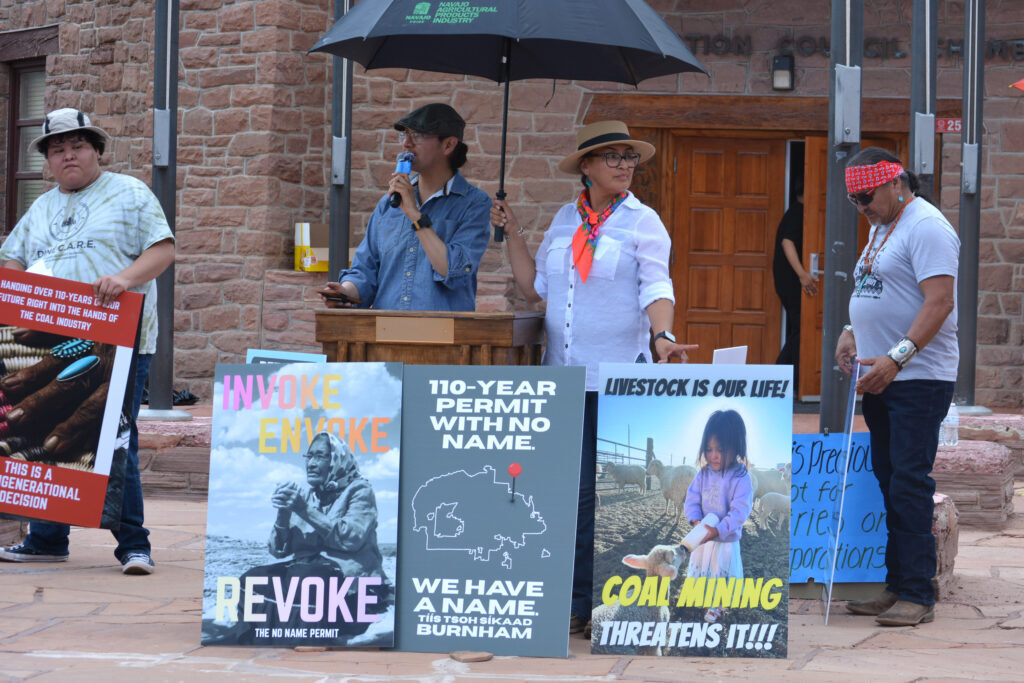
Navajo Mine Applied for a Huge Expansion, but Tribal Members Say They’re Cut Out of the Permitting Process (insideclimatenews.org)
The coal mine would disturb more than 10,000 more acres, pollute the region for more than a century and force some residents of the Navajo Nation out of their homes.
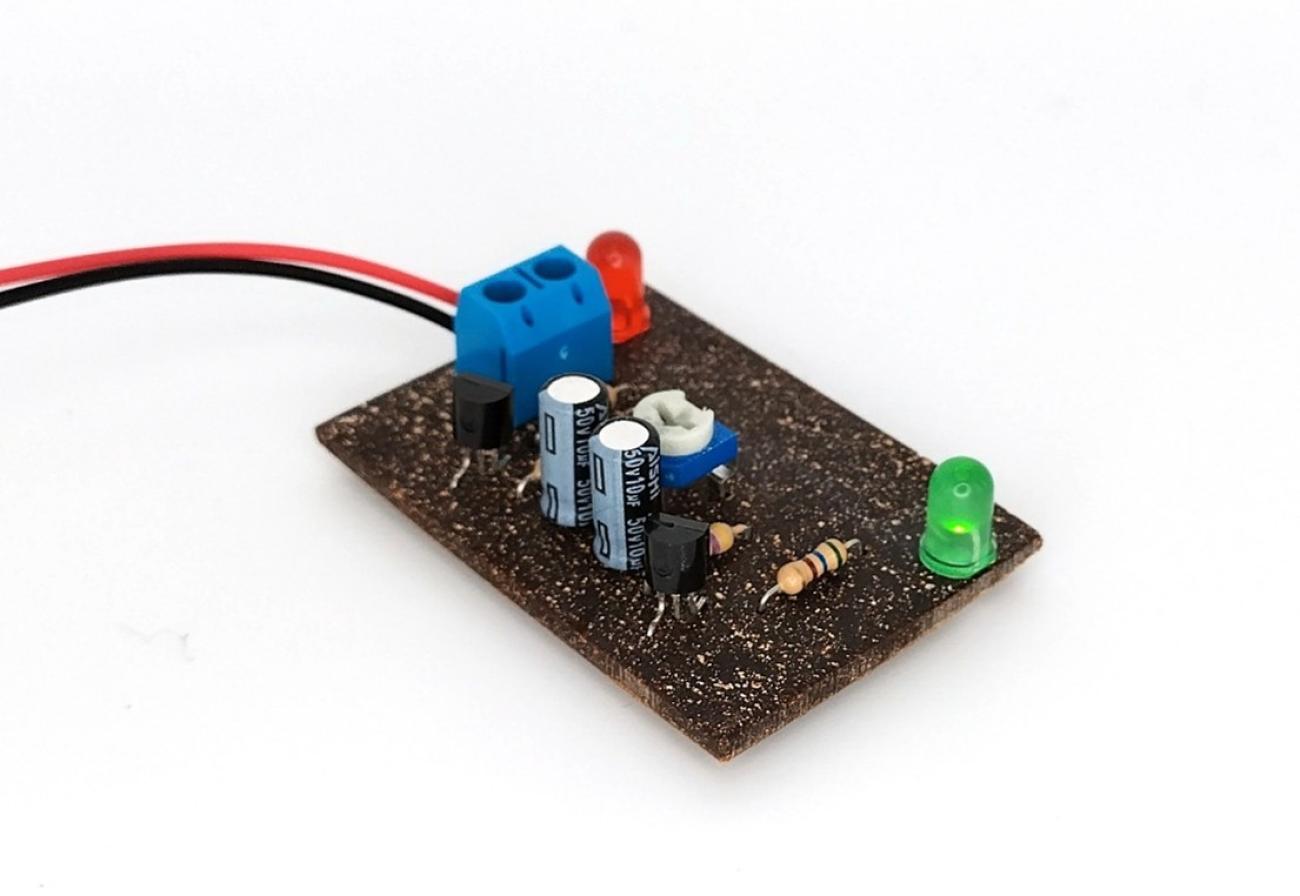
Sustainable Electronics: Compostable Circuit Boards Made from Citric Acid Production Waste (renewable-carbon.eu)
Instead of disposing of this biomass waste, the team processes it into a plastic-like material through an innovative process involving molding and air-drying, resulting in a small, approximately 0.5 cm thick plate with a density of 1.23 g/cm³, comparable to the density of conventional printed circuit boards (PCBs). Using direct ink writing or a standard etching process and manual soldering, the researchers were able to deposit electronic components directly onto the fungal plates.
Creating resilient futures: Navigating ecological and civilizational contraction (resilience.org)
I second that! I am not too sure about hops tbh, in the sense that they don’t seem to thrive/survive where I live, but the idea of using vegetation is helping greatly to cool the microclimate. The downside is that you will need at least a balcony, the bigger it is, the more vegetation you can have, and the more you have, the cooler it will be. If you have a garden, it’s a whole other level, in the best possible way.
This approach is also great because you can plant eatibles, and have your own veggies and fruits.
There are already 16,000 satellites in Earth's orbit: How will we manage the next 100,000? (techxplore.com)
Dutch students unveil 'world-first' solar-powered ambulance (techxplore.com)
The Bird That Needs Fire: What Bachman's Sparrow Can Teach Us About Restoration (blog.nature.org)
“Prescribed burning maintains the grassy structure these birds require,” Marcus explains. “Without regular fire, shrubs and woody vegetation begin to take over, eventually making habitat unsuitable.” Fire has shaped longleaf ecosystems for thousands of years. Regular burns prevent woody vegetation from overtaking the understory and allow native grasses and wildflowers to flourish. For Bachman’s Sparrows, these conditions create ideal habitat.
Scientists spot sugar in interstellar space for the first time ever (scientificamerican.com)
Archived link