

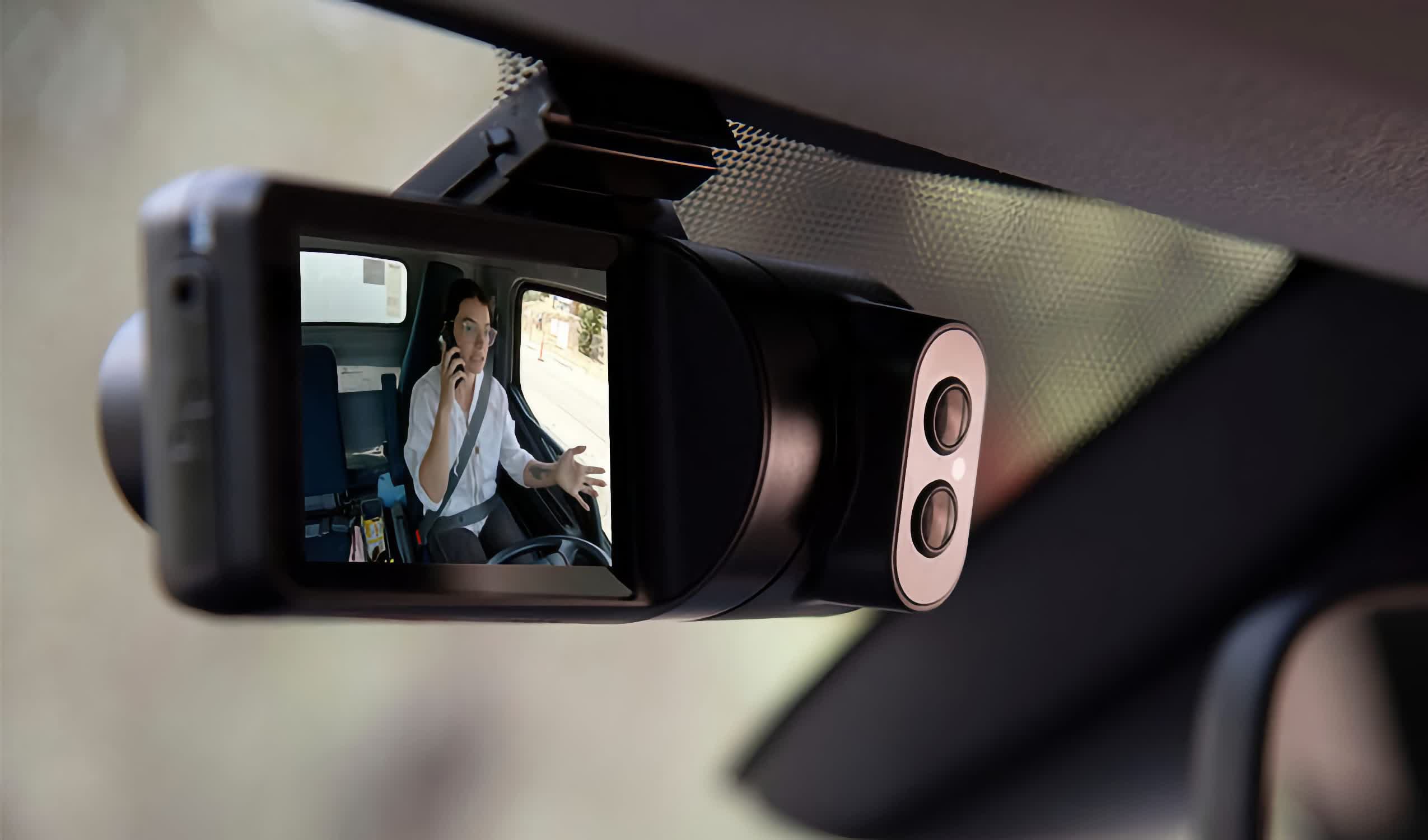
A woman recently took to social media after discovering that her Audi rental car’s dashboard contained a camera recording her every move. It also gave verbal reminders…
A woman recently took to social media after discovering that her Audi rental car’s dashboard contained a camera recording her every move. It also gave verbal reminders…
But does that factor in significantly to gas efficiency? Idling for longer won’t make much difference. The greater acceleration is what will reduce efficiency big time. Yes, you might make more lights and get to your destination faster with the drive-as-fast-as-you-can approach, but you burn more gas, pollute more and wear your tires.
Well you posited 2 scenarios, and this assumption was one of the major differences between the two.
I’m not an expert, but the other comment provided a source claiming otherwise.
The source was a stack exchange comment. And it starts out based on a bad premise - that it’s all about getting the most energy out of the fuel. He’s talking efficiency of engine. But it takes a lot more energy to accelerate quickly then stop than to accelerate a bit, cruise for longer and then stop. In terms of high school physics: kinetic energy is 1/2 m v^2 - so you need to put in 4x the energy to go to double the speed. Your ICE might do 10% better at the higher acceleration in terms of fuel per energy, but it doesn’t help if you need way more energy. On top of that, the stack exchange comment excludes the effects of air resistance, and that’s huge here. Air resistens goes up at approximately the power of 4. So to go 2x the speed, the force of air friction that your car needs to counter to go at a steady pace once accelerated, is 16x the energy per time. It’s for nominally half the time so you are using 8x the energy at that double speed even once you’ve accelerated. And of course since you’re going faster, you have to decelerate at the next lights more so your breaks see the same 4x kinetic energy they need to disperse through wear.
Fair enough, I make no claims about the efficiency of acceleration. I just saw an issue with your scenarios that I pointed out.