- 1 Post
- 28 Comments


 11·1 month ago
Hey friend. First of all: breathe, you’ll be just fine. There’s nothing pathetic about feeling overwhelmed with the state of the world right now. I’ve recently bought a little allotment garden myself and have some experience with balcony gardening before that. Let’s break everything down to a few basic steps:
- Look up your hardiness zones. This will give you an upper and lower threshold of the climate you’re working with and determine when to do what during the season. One starting point is plant maps but once you get started, you’ll find an abundance of resources. Select your crop accordingly.
- Familiarize yourself with your soil. Depending on your plot size neither fertilizer nor compost will be an instant solution so it’s best to learn to deal with what you have. Heavy soil with lots of loam may be prone to water logged conditions, sandy soils hardly keep any water at all. There are plants that can deal with either situation. Select accordingly.
- Light and shade. Whether you have a lot of shade or full sun, there is a crop for you. Just again, select for what you have not what you wish you have.
- Try things, buy, plant, observe, just get your feet wet. Here is a simple example from my plot: I’m in Zone 8a, have mostly heavy soil and full sun. So stuff like rhubarb, some peas, beans, marigold, horseradish and cale mostly work right away. Carrots, Tomatoes or potatoes may need some more support but this can be as simple as adding some sand to make the soil a little lighter. If something works: great, let it bloom, collect seeds, profit forever. If not ask yourself if you can easily fix it or if the crop just may not be suitable for your garden. Just relax and see where it takes you.
- Context. Don’t stress too much over fertilizer or soil improvement or all of those very expensive things. A well selected range of crops, a proper composting routine, a good source of manure, mulch and biodiversity supporting structures will ultimately bring you much further than any store-bought “quick and easy” solution. But it will take time. Look into concept like permaculture to see how you can link different parts and components of your garden. Not everything is applicable everywhere and at once but you’ll get there. Just stick to it and while you let your little experiments grow, read, read and then read some more about plant selection, long term (organic) soil improvement and also preservation (you’ll want to know about that as well at some point, believe me). Last note: Maybe as a starting point, to keep things neat and easy to handle, draw some inspiration from square foot gardening as it provides a very manageable, little plot with great yield. Best of luck on your journey and keep your head up.
Congrats! Cute little birb, quite surely a blue tit (Cyanistes caeruleus). If you can, try to disturb them as little as possible during the few week it takes for them to raise their offspring. As long as the parents are zipping in and out, they likely find enough to feed their young and don’t need any additional support. Blue tits will only eat seeds and nuts as adults and mostly during the winter. The chicks need small invertebrate prey like insects and spiders. So other than offer some meal worms, there’s not much you can do. Once you see the fledglings hopping around your balcony, some seeds may be fine but stick to smaller stuff like poppy and avoid the big and heavy stuff like sunflower or peanut until winter. Here’s a bit more background if you speak German: https://bremen.nabu.de/tiere-und-pflanzen/voegel/voegelnhelfen/27691.html
Have grazing animals on natural meadows instead of artificially sown lawn and you’ll not only have the trimming taken care of but also support a variety of plant and animal life under your panels. Sheep and bunnies for example are ideal for the job, don’t you think RamRabbit :-)

This article from last November lists the first 83, not sure who the new additions are. https://earth.org/83-countries-join-call-to-end-fossil-fuels-at-cop30/

 32·4 months ago
While true, the AWS infrastructure in Europe is somewhat sovereign from the parent company and under stricter regulation and oversight. Granted, it’s not a perfect solution but a good one for the moment.

Kein Problem. Dann muss Arbeitszeit auch nicht zum arbeiten genutzt werden.

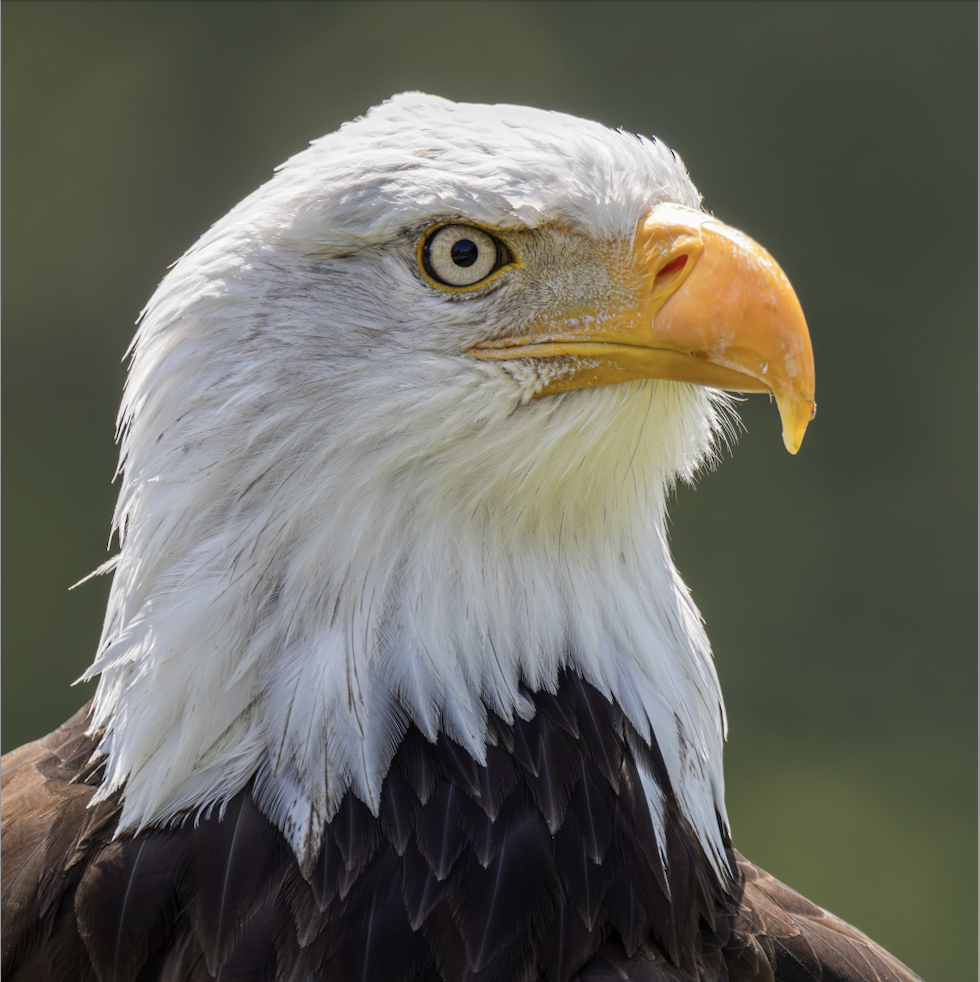
Unfortunately, the most American thing this girl had ever heard of is also strongly affecting white-tailed sea eagles and other raptors in Germany and neighboring countries. Choose lead free ammo, folks. https://www.bund.net/themen/naturschutz/jagd/bleimunition/

In remembrance of Catherine O’Hara we’re rewatching Schitt’s Creek. So… am I unemployed?
 6·6 months ago
That’s Rothenburg ob der Tauber.
 8·6 months ago
As is tradition…
 36·7 months ago
I openly call for the end of the Heritage Foundation. Regards, an EU citizen.
 2·10 months ago
Fair, Herdenimmunität gegen spätkapitalistische Ausbeutung ist ein schönes Bild…
Dir ist bewusst, dass es viele Berufszweige ohne organisierte Vertretung gibt oder deren Vertretung kaum sinnvoll möglich ist? Wenn ich mal allein in meiner Biowissenschaftler-Bubble gucke: der Verband der deutschen Biologen zum Beispiel hat das große Problem, dass Biologen alles sein können. Wissenschaftler, staatlich, teilstaatlich, wirtschaftlich oder selbständig beschäftigt, SachbearbeiterInnen oder diverse Managementpositionen in zig Branchen, von Naturschutzrechtlern oder Nationalparkranger zum Museumkurator, von Landschaftsplanung und -Beratungbüros und Behörden bis BioTech und Pharma, mit Arbeitsschwerpunkten von statistischer Programmierung bis Zootierpflege als behördlich Angestellte oder Beamte, Freiberufler und und und. Daher der lose Verein. Übrigens gibt’s auch da mehr als nur einen Verein, was es nicht leichter macht. Laboranten und technische Assistenten aus den selben Labors haben nichtmal das, die sind wenn die Glück haben und einen öffentliche nArbeitgeber wie die Länder oder den Bund haben an Verdi angeglichen. Und ich kann mir nicht vorstellen, dass unser kleiner Teil der Welt der einzige ist in dem das so unübersichtlich und wenig effizient ist. Nicht selten liegt mangelnde Organisation nicht daran, dass sich jemand “den Gewerkschaftsbeitrag gespart” hat sondern weil es kein sinnvolles Angebot gibt. Sollte man das ändern? Klar. Hat der/die/das Durchschnitts-Alltags-Überlebenskämpfery Zeit oder Energie dazu? Kaum. Ich sag nicht, dass du nicht recht hast. Ich sag nur, manche haben sich nie für oder gegen eine Gewerkschaft entscheiden können.
Hawking was probably way more familiar with the works, achievements and maybe even personal anecdotes of everyone in this post than I could ever hope to be. Thus, sitting down with him feels like the best deal.
 37·1 year ago
And they released a concept study, too:

 24·1 year ago
Prima, dann werden direkt Flächen für die Bundeswehr und europäische Partner frei, die betroffenen Gemeinden verlieren die Einwohner nicht und wir müssen keine Naturschutzgebiete umwidmen. Letztere sind nämlich oft frühere Truppenübungsplätze. Für alle ein Gewinn (außer vielleicht für die transatlantische Partnerschaft).
Wait until you hear they’ve got a Jewish organization, too (only in German, sorry)